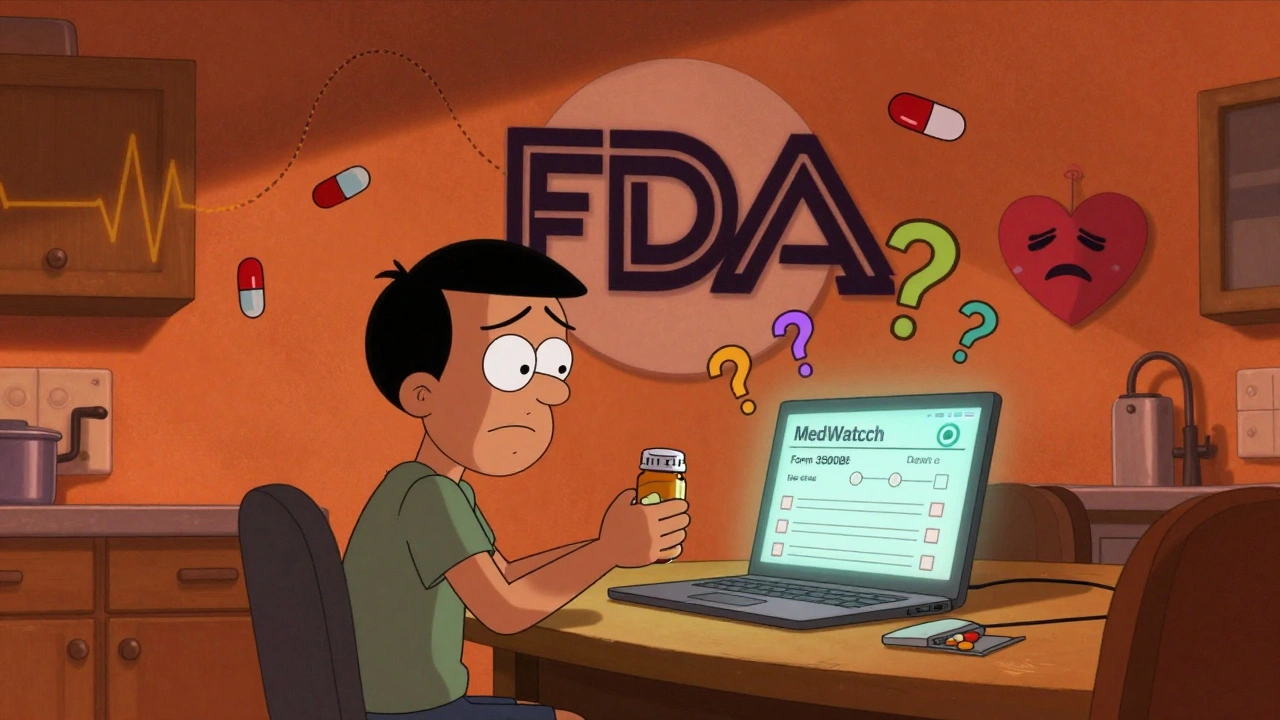
Report Drug Side Effects: How to Speak Up and Stay Safe
When you experience an unexpected reaction to a medication—whether it's dizziness, a rash, trouble sleeping, or something more serious—you're not just dealing with a personal inconvenience. You're part of a larger system that keeps drugs safe for everyone. This is where reporting drug side effects, the formal process of notifying health authorities about harmful reactions to medications. Also known as adverse drug reaction reporting, it’s one of the most powerful tools patients have to improve medication safety. Most people don’t realize that drug safety isn’t just decided in labs before approval. Real-world use reveals risks that clinical trials miss. That’s why your report matters.
Every year, millions of people in Canada and the U.S. experience side effects from medications. Some are mild, like nausea or dry mouth. Others, like liver damage, heart rhythm changes, or sudden confusion, can be life-threatening. Drugs like warfarin, a blood thinner with a narrow safety window, or citalopram, an antidepressant linked to heart rhythm risks, need careful monitoring. But even common pills—statins, antibiotics, or steroids—can cause problems that go unreported. When you report a reaction, you help regulators spot patterns. A single report might seem small, but hundreds of similar reports trigger reviews that lead to label changes, dose warnings, or even drug withdrawals.
Reporting isn’t complicated. You can do it through your pharmacist, doctor, or directly to Health Canada or the FDA’s MedWatch program. You don’t need to be a doctor. Just note what you took, when you took it, what happened, and how long it lasted. Save the medication bottle. Take a photo of the side effect if it’s visible, like a rash. Bring this info to your next appointment. If you’re unsure whether it’s serious, report it anyway. The system is built to filter noise. What matters is that you speak up.
The posts below give you real-world examples of side effects that were missed, misunderstood, or underreported—from steroid muscle loss to hearing damage from common antibiotics. You’ll find step-by-step guides on how to document your experience, what to say to your provider, and how to file a report with the FDA or Health Canada. You’ll also learn which drugs carry hidden risks, how to spot early warning signs, and why switching generics can sometimes trigger unexpected reactions. This isn’t about fear. It’s about power. Your voice helps fix broken systems. Don’t stay silent.