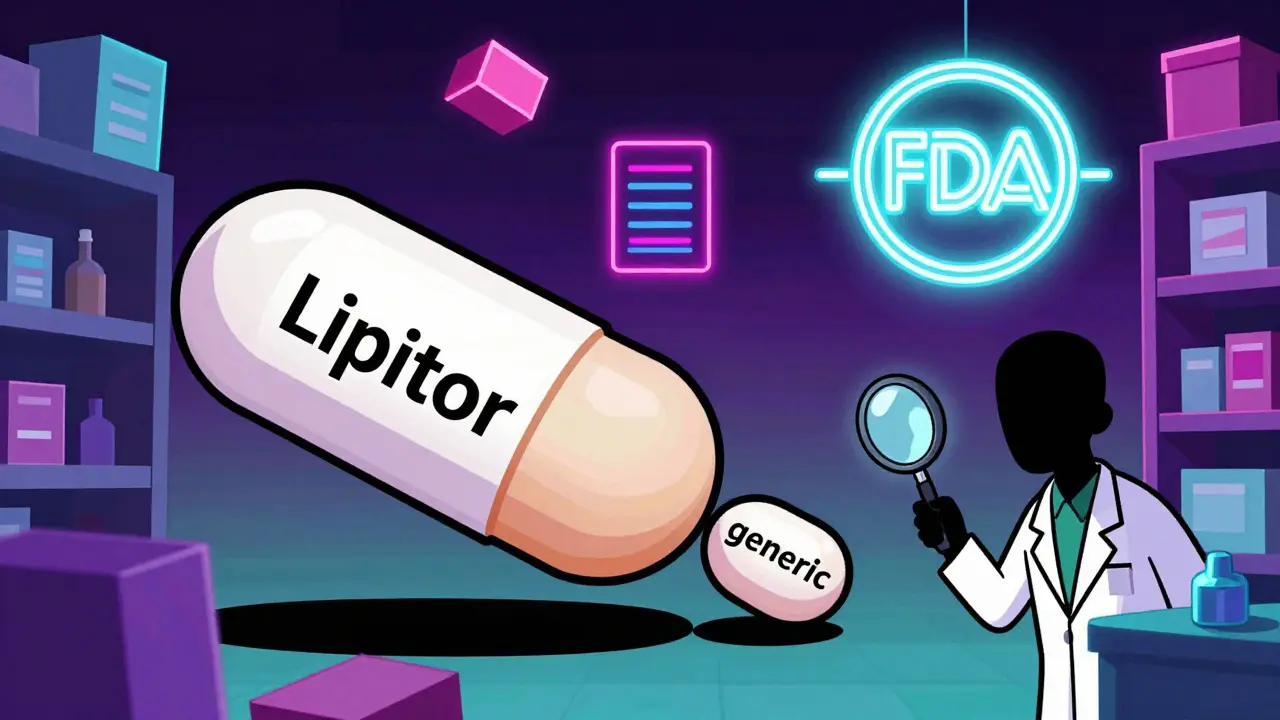
Who Actually Makes Authorized Generics?
Ever bought a generic drug and wondered if it’s really the same as the brand-name version? With authorized generics, the answer is simpler than you think: it’s often the same company that made the brand-name drug in the first place. That’s right - the pill you pick up at the pharmacy with a different label, lower price, and no brand name might have come off the exact same production line as the expensive version you used to buy.
Authorized generics aren’t just cheaper knockoffs. They’re the real thing - identical in every way except the box and the name. The FDA defines them as drugs produced under the original brand’s New Drug Application (NDA), meaning they use the same formula, same active ingredients, same manufacturing process, and often the same factory. The only difference? The label says "generic" instead of "Lipitor" or "Nexium."
The Hatch-Waxman Act and the Birth of Authorized Generics
The whole system started back in 1984 with the Hatch-Waxman Act. This law was meant to speed up access to cheaper drugs by letting generic companies copy brand-name medicines after patents expired. But it also gave brand-name companies a way to fight back - by making their own generics.
Before this, when a patent expired, the brand-name drug would lose most of its sales overnight to cheaper competitors. With authorized generics, companies could launch their own low-price version right away, keeping control over quality and supply. It wasn’t about cheating the system - it was about staying in the game without losing their edge.
Today, about 217 authorized generics are on the U.S. market, according to the FDA’s Q3 2023 report. That’s 7.3% of all generic drugs. And their share of the generic market has jumped from 6.1% in 2018 to 9.2% in 2022, hitting $4.7 billion in annual sales. That’s not small change.
Three Ways Authorized Generics Are Made
There are three main ways these drugs get made - and it matters who’s doing the work.
- Same company, same factory - The brand-name manufacturer produces the drug exactly as before, then puts a generic label on it. This happens in about 68% of cases, according to US Pharmacist’s 2022 analysis. You’re literally getting the same pill, just in a different box.
- Wholly-owned subsidiary - Big pharma companies create separate legal entities to handle their generics. Pfizer’s Greenstone LLC is the best example. It’s 100% owned by Pfizer, uses the same facilities, same equipment, same people - but sells under a different name. Greenstone makes over 70 authorized generics, including versions of Lipitor, Zoloft, and Lyrica.
- Third-party contract manufacturer - Sometimes, the brand company hires another company to make the drug. But here’s the catch: they have to get FDA approval to add that new site to their original NDA. That process can take up to 22 months. Even then, the formula, ingredients, and testing are identical to the brand. Novartis did this with Comtan, using a third party but keeping every step of production the same.
The FDA requires the original brand company to stay in charge no matter who makes it. They’re legally responsible for quality, safety, and compliance. That’s why authorized generics have a 98.7% cGMP compliance rate - higher than traditional generics, which sit at 96.2%.
Why This Matters for You
For patients, authorized generics mean lower prices without risk. You don’t have to worry about whether the generic works the same way. It’s not just bioequivalent - it’s the same drug. No guesswork.
For pharmacies and insurers, they’re a win too. They can offer a low-cost option that’s guaranteed to match the brand’s performance. That’s especially important for drugs where even tiny differences in absorption can matter - like blood thinners or epilepsy meds.
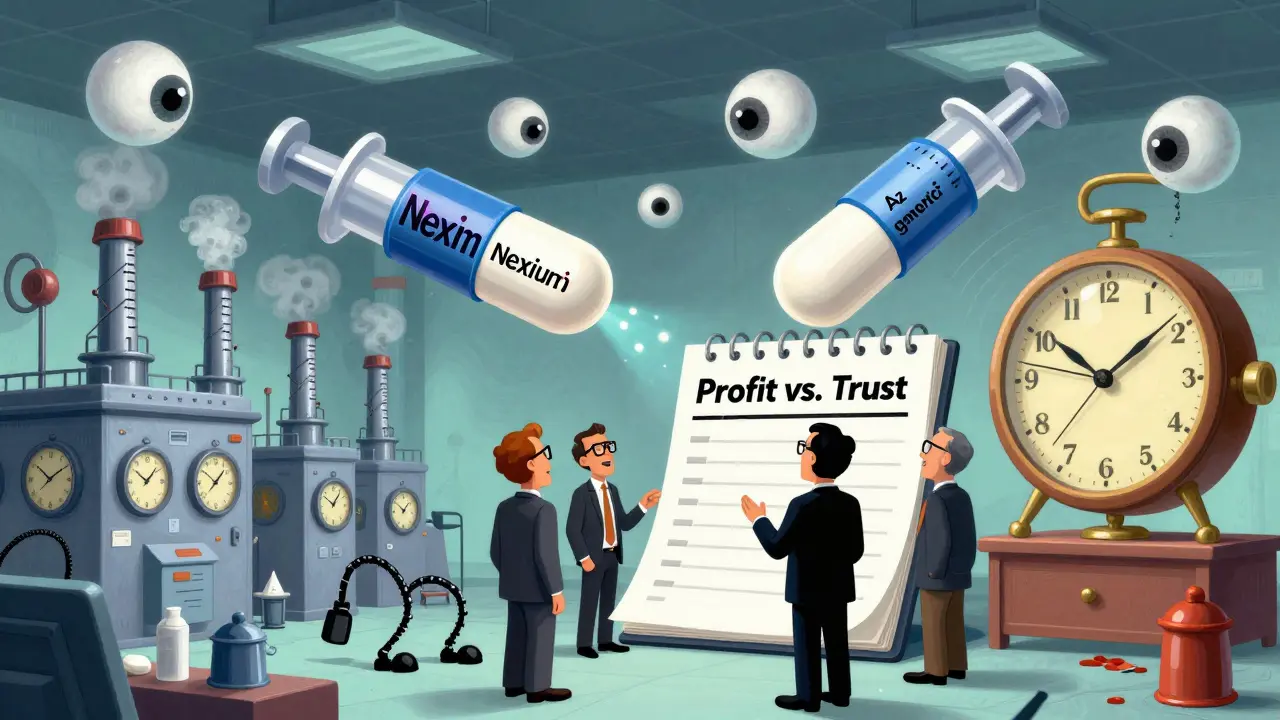
But here’s the twist: critics say authorized generics actually hurt competition. Dr. Aaron Kesselheim from Harvard wrote in JAMA Internal Medicine in 2021 that these products delay true generic entry. Why? Because when the brand launches its own generic, it floods the market with a low-price version before other companies even get a chance to file for approval. That means fewer competitors, slower price drops, and sometimes higher overall costs in the long run.
The FDA acknowledges this concern. But they also point out that authorized generics meet the same strict standards as brand-name drugs. In their 2023 Transparency Initiative, they made a big move: starting January 1, 2024, companies must disclose whether the authorized generic is made in the same facility as the brand. That’s a direct response to the Government Accountability Office’s 2022 report on drug supply chain opacity.
Big Drugs, Big Authorized Generics
Some of the most successful drugs in history have authorized generic versions.
- Nexium - AstraZeneca’s authorized generic, sold under Az generici, hit $1.2 billion in sales in 2022. That’s more than most brand-name drugs.
- Lyrica - Made by Mylan (now Viatris) under contract with Pfizer. It was one of the first major cases where a brand outsourced its own generic.
- Copaxone - Teva had to redesign packaging and maintain exact glass vial specs and lyophilization processes just to switch the label. That’s how precise the control has to be.
- Humira - AbbVie has already lined up its authorized generic through its subsidiary Soliris Generics, ready to launch when the patent expires in 2025. This could be the biggest authorized generic rollout ever.
Cardiovascular drugs lead the pack in authorized generic use, making up 28% of the total. Then come CNS drugs (22%) and metabolic agents (18%). These are the kinds of drugs people take every day - for high blood pressure, depression, diabetes. The fact that so many of them have authorized versions means more people can afford them.
The Future of Authorized Generics
With $127 billion in brand-name drugs set to lose patent protection over the next five years, the demand for authorized generics is only growing. Analysts at Clarivate predict a 15-20% rise in manufacturing through wholly-owned subsidiaries by 2025. Why? Because it’s the safest, fastest way to control quality and timing.
The FDA’s GDUFA III rules, updated in 2023, are making it easier for companies to notify the agency about authorized generics - but they’re not relaxing any quality rules. If anything, they’re tightening oversight. The goal? More transparency, not less.
So who makes authorized generics? Sometimes it’s the brand company. Sometimes it’s their own subsidiary. Rarely, it’s a third party - but even then, the brand still holds the reins. The truth is simple: if you’re buying an authorized generic, you’re getting the same drug your doctor prescribed, just without the brand name. And that’s not a loophole. It’s a feature of the system.
What You Can Do
If you’re on a brand-name drug and want to save money, ask your pharmacist: "Is there an authorized generic for this?" They can check the FDA’s Orange Book or use their own databases. Many pharmacies automatically substitute authorized generics when available - but not all do.
Don’t assume all generics are the same. A regular generic might be made in a different country, with different fillers or coatings. An authorized generic? It’s the same pill, same factory, same batch process. You’re not trading quality for price - you’re getting the same thing for less.
Are authorized generics the same as regular generics?
Yes and no. Authorized generics are identical to the brand-name drug in active ingredient, strength, dosage, and manufacturing process. Regular generics only have to prove they’re bioequivalent - they can use different fillers, coatings, or even different factories. Authorized generics are made under the original brand’s approval, so they’re closer to the real thing.
Why are authorized generics cheaper if they’re the same drug?
Because they don’t have the marketing, advertising, or R&D costs attached to the brand name. The company cuts out the brand premium - the fancy packaging, the TV ads, the sales reps - and sells it at generic prices. You’re paying for the drug, not the label.
Can I trust an authorized generic as much as the brand?
Absolutely. The FDA requires authorized generics to meet the same quality, safety, and effectiveness standards as the brand. In fact, they’re often made in the same facility by the same team. The compliance rate for authorized generics is higher than for traditional generics - 98.7% vs. 96.2%.
Do authorized generics delay cheaper generics from entering the market?
Yes, that’s a known concern. When a brand launches its own generic, it can take up market share before other companies even file for approval. This can slow down true competition and keep prices higher than they might be otherwise. But the FDA still considers them a legal and valuable tool for increasing access.
How do I find out if my drug has an authorized generic?
Ask your pharmacist or check the FDA’s Orange Book online. Many pharmacies now have systems that flag authorized generics automatically. You can also search by the brand name and look for "authorized generic" listed under the drug’s alternatives. If it’s available, your insurance may cover it at the same low price as a regular generic.
Melissa Cogswell
January 31, 2026 AT 07:31Pharmacists should push these more often.
Blair Kelly
January 31, 2026 AT 18:32Rohit Kumar
February 2, 2026 AT 09:43Lisa McCluskey
February 2, 2026 AT 23:37owori patrick
February 4, 2026 AT 20:00Mike Rose
February 5, 2026 AT 06:43Russ Kelemen
February 7, 2026 AT 04:44Also, if your pharmacist says ‘no’ to switching, ask why. They’re often incentivized to push the brand.
Diksha Srivastava
February 7, 2026 AT 07:40Adarsh Uttral
February 8, 2026 AT 18:54Sheila Garfield
February 9, 2026 AT 08:01Lily Steele
February 10, 2026 AT 19:10