
When you're breastfeeding and hit with a cold or allergies, the last thing you want is to choose between feeling better and keeping your baby safe. But some common cough and allergy meds can make your baby dangerously sleepy - even with just one dose. It’s not just a myth. Real babies have stopped breathing because their moms took what seemed like a harmless pill. You’re not alone in worrying about this. Many nursing mothers feel stuck between needing relief and fearing harm.
Why Some Meds Are Risky for Breastfed Babies
Not all medications pass into breast milk the same way. Some slip through easily and stick around in your baby’s system longer than you think. The biggest danger comes from drugs that cause sedation - making your baby too sleepy to feed, breathe deeply, or wake up when they need to eat. Newborns and babies under two months are especially vulnerable because their livers can’t break down these chemicals yet. Their bodies are still learning how to process even small amounts of drugs. The real problem isn’t just the medicine itself - it’s how your body turns it into something else. Take codeine, for example. It’s supposed to relieve pain and cough, but your body converts it into morphine. Some people are ultra-rapid metabolizers - about 1 in 100 Caucasians - and they turn codeine into morphine way too fast. That means your baby gets a massive, unexpected dose through your milk. In 2017, the FDA put a black box warning on codeine because of this. There are documented cases of infants dying after their mothers took codeine for postpartum pain. One 13-day-old baby stopped breathing after just one dose.First-Generation Antihistamines: The Hidden Danger
Diphenhydramine (Benadryl), chlorpheniramine, and hydroxyzine are common in over-the-counter allergy and cold meds. They work well for runny noses and sneezes, but they’re also strong sedatives. Studies show about 1.6% of breastfed babies become noticeably sleepy after their moms take these. That might sound low, but in a group of 100 babies, one or two could become so drowsy they miss feeds or breathe too shallowly. Real stories back this up. One mother on Reddit said her 6-week-old became so sleepy after she took one Benadryl that he couldn’t wake up to nurse. She rushed him to the ER, and they confirmed it was likely the medication. The Breastfeeding Forum has over 140 reports of similar cases - nearly 40% happened after just one dose. These meds don’t just make babies tired. They can slow breathing, lower heart rate, and reduce feeding frequency - all signs of dangerous sedation.Safe Alternatives: What You Can Actually Take
The good news? There are plenty of safe options. Second-generation antihistamines like cetirizine (Zyrtec), loratadine (Claritin), and fexofenadine (Allegra) are the gold standard for breastfeeding moms. They’re classified as L1 - the safest category. These drugs barely make it into breast milk. Cetirizine transfers at just 0.14% of your dose. Loratadine? Only 0.04-0.05%. That’s less than what’s found in a baby’s own body naturally. A mom on BabyCenter who took Zyrtec daily for three months said her 3-month-old showed zero changes in sleep or feeding. That’s not luck - it’s science. These meds don’t cross into milk in meaningful amounts, and they don’t cause sedation in infants. Experts from the Cleveland Clinic, WebMD, and the American Academy of Pediatrics all agree: go with these first.What About Cough Suppressants?
Dextromethorphan is the active ingredient in most non-prescription cough syrups. It’s also one of the safest. Only about 0.1% of your dose gets into breast milk. That’s so low it’s considered clinically insignificant. The InfantRisk Center lists it as L1 - the same category as ibuprofen and acetaminophen. If you need to suppress a cough, this is your best bet. Avoid products that mix dextromethorphan with antihistamines or decongestants. Read labels carefully. A “nighttime” cough syrup might look like one pill, but it’s often three drugs in one. Stick to single-ingredient dextromethorphan only.
Nasal Sprays and Decongestants: What’s Safe?
Nasal steroids like fluticasone (Flonase) and budesonide (Rhinocort) are excellent choices. They’re sprayed directly into your nose, so very little enters your bloodstream - less than 0.1% of the dose. That means almost nothing reaches your milk. The American Academy of Family Physicians recommends them as first-line treatment for allergic rhinitis during breastfeeding. Saline nasal sprays are even safer. They’re just salt water. No drugs. No risks. Just relief. Now, avoid oral decongestants like pseudoephedrine (Sudafed). They don’t make babies sleepy, but they can dry up your milk supply. One study found a 24% drop in milk production within 24 hours of taking it. That’s not worth the trade-off. If you’re already struggling with supply, this could set you back weeks.Timing and Dosing: How to Minimize Risk
Even with safer meds, timing matters. If you have to take something with a higher risk - like an occasional diphenhydramine - take it right after you nurse. Wait 3 to 4 hours before your next feed. That gives your body time to clear most of the drug from your milk. The InfantRisk Center says this strategy cuts infant exposure by up to 80%. It’s not perfect, but it’s the best you can do. Never take more than the recommended dose. And never use these meds daily unless absolutely necessary. Short-term use is fine. Long-term use increases the chance of buildup in your baby’s system.What to Watch For in Your Baby
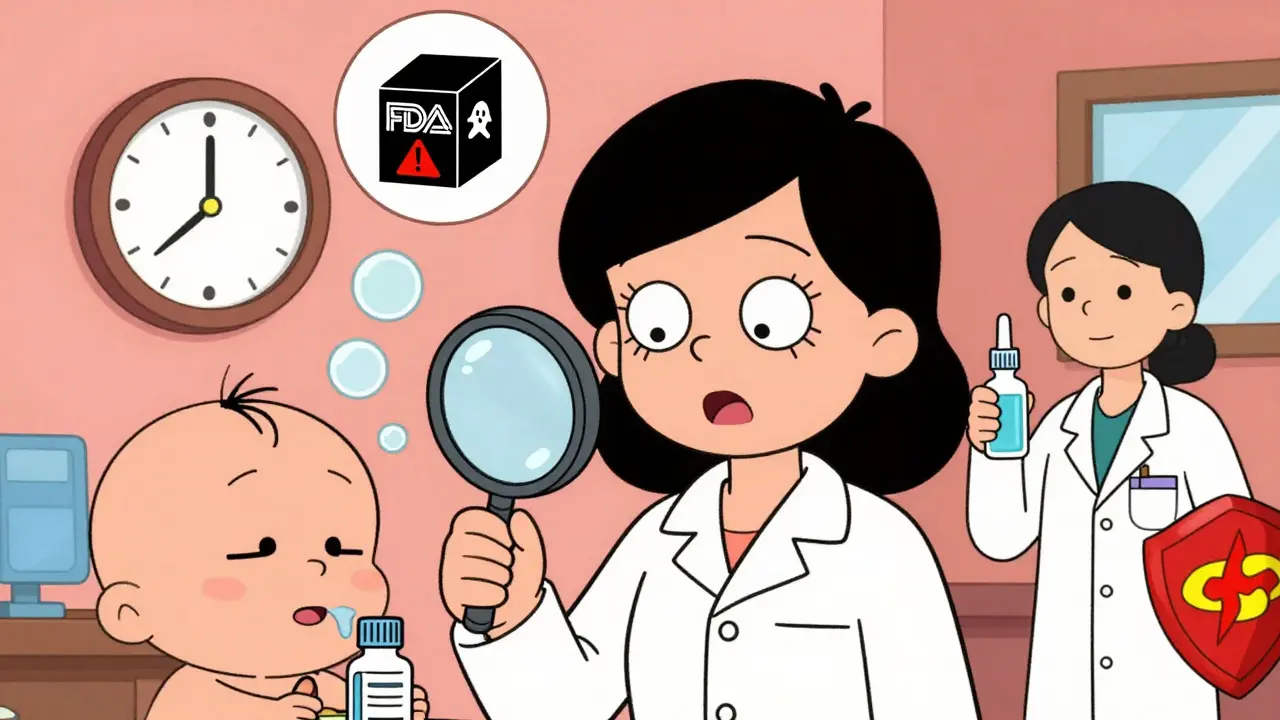
If you’ve taken any medication - even one you think is safe - keep an eye out for these signs:- Excessive sleepiness - your baby sleeps longer than usual or is hard to wake for feeds
- Reduced feeding frequency - skipping feeds or nursing less often
- Shallow or irregular breathing
- Lethargy - no interest in playing, looking around, or responding to you
- Poor latch or weak suck
What About Pumping and Dumping?
Most of the time, pumping and dumping isn’t needed. It doesn’t speed up how fast the drug leaves your system. Your body clears it naturally. Pumping just reduces your supply - which can cause more problems than the medicine ever would. The only exception is codeine. If you accidentally took it, and your baby shows signs of sedation, pumping and dumping may be advised - but only under medical supervision. Even then, the focus should be on monitoring your baby, not trying to “flush” the drug out.What’s Changed in the Last Few Years
Guidelines have shifted dramatically. Just five years ago, codeine was still listed as safe for breastfeeding. Now, it’s banned in most hospital protocols for postpartum pain. The Academy of Breastfeeding Medicine removed it from their list in 2021. The LactMed database - updated weekly by the NIH - now flags 17 cough and allergy meds with sedation warnings, up from just 9 in 2018. New tools are helping too. Apps like LactaMap now give real-time, personalized advice based on your baby’s age, your medication, and your metabolism. Some hospitals are even starting to test for ultra-rapid metabolizer genes before prescribing codeine - with 92% accuracy. That means in the future, you might never be prescribed something dangerous in the first place.Bottom Line: What to Do Today
If you’re breastfeeding and need help with allergies or a cough:- Do: Use cetirizine (Zyrtec), loratadine (Claritin), or fexofenadine (Allegra) for allergies.
- Do: Use plain dextromethorphan for cough.
- Do: Use nasal steroids (Flonase, Rhinocort) or saline sprays for congestion.
- Don’t: Take codeine, hydrocodone, or any opioid-based cough syrup.
- Don’t: Use diphenhydramine (Benadryl), chlorpheniramine, or hydroxyzine unless absolutely necessary.
- Don’t: Take pseudoephedrine (Sudafed) if you’re concerned about milk supply.
Is it safe to take Benadryl while breastfeeding?
Benadryl (diphenhydramine) is not recommended for breastfeeding mothers. It can cause drowsiness in infants, even after a single dose. Studies show about 1.6% of breastfed babies become excessively sleepy after maternal use. While serious reactions are rare, they’ve happened - including cases where babies struggled to wake for feeds. Safer alternatives like Zyrtec or Claritin are available and just as effective without the risk.
Can I take codeine if I’m breastfeeding?
No. Codeine is strongly discouraged and has been flagged as unsafe for breastfeeding mothers by the FDA, the American Academy of Pediatrics, and the Breastfeeding Network. It’s converted into morphine in your body, and some people produce far more morphine than others - a condition called ultra-rapid metabolism. This can lead to life-threatening respiratory depression in breastfed infants. There are documented infant deaths linked to codeine use during breastfeeding. Safer pain and cough options like ibuprofen or dextromethorphan exist.
What’s the safest allergy medicine for breastfeeding moms?
Cetirizine (Zyrtec) and loratadine (Claritin) are the safest choices. Both are classified as L1 - meaning they’re considered safest for breastfeeding. They transfer in very low amounts to breast milk - less than 0.2% of your dose - and have no documented link to infant sedation. Fexofenadine (Allegra) is also safe. These are non-sedating antihistamines, so they won’t make you or your baby drowsy.
Does pseudoephedrine reduce milk supply?
Yes. Pseudoephedrine (found in Sudafed) can reduce milk production by up to 24% within 24 hours of use, according to a 2003 study in the Journal of Human Lactation. It doesn’t sedate babies, but it can make breastfeeding much harder by drying up your supply. If you’re already struggling with milk production, avoid it. Use nasal sprays or saline rinses instead for congestion.
Should I pump and dump after taking medication?
Almost always, no. Pumping and dumping doesn’t remove the drug from your system faster - your body clears it naturally over time. Doing it unnecessarily can hurt your milk supply. The only exception is if you accidentally took codeine and your baby shows signs of sedation. Even then, consult your doctor before deciding. For safe medications like Zyrtec or dextromethorphan, pumping and dumping is not needed.
Are nasal sprays safe while breastfeeding?
Yes. Nasal steroid sprays like fluticasone (Flonase) and budesonide (Rhinocort) are considered very safe. Very little of the medication enters your bloodstream, so almost none reaches your breast milk. They’re often recommended as first-line treatment for allergic rhinitis during breastfeeding. Saline nasal sprays are completely drug-free and pose no risk at all.



Christina Widodo
January 11, 2026 AT 09:46I took Benadryl once when my baby was 5 weeks old and he slept for 6 hours straight-normally he wakes every 2. I thought he was just having a good stretch. Turns out, it was the med. I cried for hours. Never again. Zyrtec is my new best friend.
Monica Puglia
January 13, 2026 AT 02:31Thank you for this. I was about to grab a nighttime cold med last week-thank god I read this first. 😭 I’ve been using Zyrtec for 3 months now and my 4-month-old is alert, feeding like a champ, and even giggles during tummy time. No more panic every time I take a pill.
Alice Elanora Shepherd
January 13, 2026 AT 19:58It’s alarming how many OTC products still contain diphenhydramine-or codeine-without clear warnings for breastfeeding mothers. I’ve seen pharmacists hand out Sudafed PM like candy. The FDA’s black box warning on codeine has been around for years, yet it’s still on shelves, unmarked, next to cough drops. This isn’t negligence-it’s systemic. We need mandatory labeling on all maternal-use meds: ‘DANGEROUS FOR BREASTFEEDING INFANTS’ in bold red. Not a footnote. Not a tiny disclaimer. Bold. Red. Mandatory.
And why are we still relying on mom’s intuition to detect sedation? We have pulse oximeters, feeding logs, sleep trackers-why aren’t hospitals giving out simple screening checklists with discharge packets? This shouldn’t be a Reddit thread. It should be standard care.
I’ve trained as a lactation consultant. I’ve held babies who stopped breathing because their moms were told ‘it’s fine.’ That’s not medical advice. That’s a gamble with a life. We owe better.
Also: saline sprays. Always saline sprays. They’re free, they’re effective, and they don’t turn your milk into a silent poison. Why are we even debating this?
And yes-pumping and dumping is almost never useful. Your body clears the drug. Not your pump. Stop wasting time and energy. Focus on observation, not elimination.
For anyone reading this: if your baby’s suck weakens, or they’re harder to rouse-call your pediatrician. Don’t wait. Don’t Google. Call. Now.
And if you’re a provider: stop prescribing codeine. Stop. Just stop.
Sonal Guha
January 15, 2026 AT 09:02laura manning
January 15, 2026 AT 18:12Given the documented pharmacokinetic profiles of first-generation antihistamines and their demonstrated blood-brain barrier penetration in neonatal populations, it is both medically irresponsible and ethically indefensible to recommend their use during lactation without explicit contraindication. The data from LactMed, the AAP, and the Academy of Breastfeeding Medicine are unequivocal. The anecdotal normalization of diphenhydramine use reflects a dangerous cultural disregard for pharmacovigilance in maternal health. Furthermore, the persistent availability of combination products containing sedating agents without adequate labeling constitutes a public health failure. I urge all healthcare institutions to implement mandatory electronic prescribing alerts for lactating patients. Until then, the burden of safety remains unfairly placed upon the mother.
gary ysturiz
January 16, 2026 AT 18:43Good info. Seriously. I’m a dad and I didn’t know any of this. My wife was about to take Sudafed for her stuffy nose-I stopped her just in time. We switched to saline spray and Zyrtec. Baby’s been happy, feeding great, no drama. Just reading this made me feel like I actually know something for once. Thanks.
Lawrence Jung
January 16, 2026 AT 22:48Rebekah Cobbson
January 17, 2026 AT 15:23I just wanted to say thank you to the person who wrote this. I was so scared after my second dose of Benadryl-I didn’t know what was normal and what was dangerous. I tracked my baby’s feeds for three days and realized he was sleeping 30% longer. I switched to Claritin the next day and within 24 hours, he was back to his normal, squirmy, hungry self. I didn’t tell anyone because I felt guilty. But reading this? It made me feel seen. You’re not alone. And you’re not crazy for worrying. Your baby’s safety matters. Always. You’re doing great.