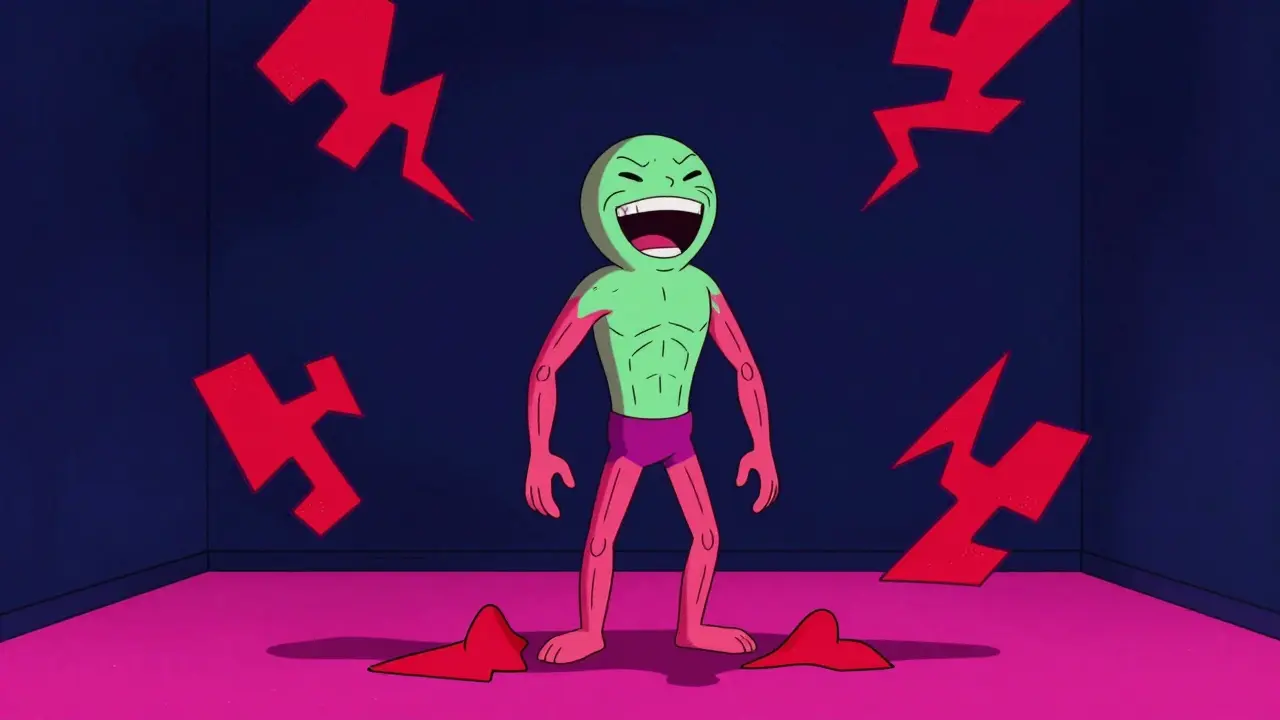
Getting a proper diagnosis for narcolepsy often feels like chasing a ghost. Most people wait more than eight years before a doctor finally names the problem. By that time, their life-career, relationships, and safety-has been disrupted by overwhelming daytime sleepiness and sudden, terrifying muscle collapses. Narcolepsy with cataplexy, clinically known as Narcolepsy Type 1, is distinct because of that specific symptom: a sudden loss of muscle tone triggered by strong emotions. Fortunately, treatments like sodium oxybate exist to manage these symptoms effectively, though the path to getting them involves strict protocols.
Understanding Narcolepsy Type 1
When we talk about narcolepsy with cataplexy, we are specifically referring to a chronic neurological disorder defined by a lack of a specific brain chemical called Hypocretin. Normally, this chemical acts as a stabilizer for sleep-wake cycles. In Type 1 patients, the neurons that produce hypocretin are selectively destroyed. This isn't just feeling tired; it is a structural failure in the hypothalamus. The condition was formally categorized after researchers found that over 90% of patients shared a specific genetic marker, the HLA-DQB1*06:02 allele, compared to only 25% of the general population.
The hallmark of this condition differs significantly from simple fatigue. The disorder is characterized by a quintet of symptoms:
- Excessive Daytime Sleepiness (EDS): An irrepressible need to sleep occurring multiple times daily.
- Cataplexy: Sudden loss of muscle tone (drooping eyelids, slurred speech, or legs giving way).
- Sleep Paralysis: Being unable to move when waking up or falling asleep.
- Hypnagogic Hallucinations: Vivid dream-like experiences while transitioning into sleep.
- Disrupted Nocturnal Sleep: Fragmented nighttime rest despite high sleep drive.
Unlike other forms of hypersomnia, Type 1 is always associated with this hypocretin deficiency. This biological fact is the cornerstone of why treatment options like Sodium Oxybate work so well-they help stabilize the brain's REM regulation which is chaotic in Type 1 narcolepsy.
The Diagnostic Pathway: From Delay to Clarity
Determining if someone actually has Narcolepsy Type 1 follows strict guidelines set by organizations like the American Academy of Sleep Medicine (AASM). It is not a blood test. It usually requires a two-night process at a sleep center.
| Test Component | Criteria Requirement | Function |
|---|---|---|
| Nocturnal PSG | Overnight recording | Rules out other causes like Apnea; ensures 6 hours of sleep before nap test. |
| MSLT (Sleep Latency) | Mean latency ≤8 mins | Measures how fast you fall asleep during the day. |
| SOREMPs | ≥2 episodes | Sleep-onset REM periods confirm narcolepsy tendency. |
| CSF Hypocretin-1 | ≤110 pg/mL | Definitive confirmation via spinal tap (lumbar puncture). |
Most patients undergo the Multiple Sleep Latency Test (MSLT). This involves four or five scheduled naps throughout the day. To pass diagnostic criteria, you typically need to fall asleep in less than eight minutes and enter REM sleep quickly in at least two of those naps. However, MSLT isn't perfect. Some people get false positives due to sleep deprivation the night before. For those cases, doctors may order a lumbar puncture to measure CSF Hypocretin-1 levels directly. While invasive, this test offers nearly 99% specificity for Type 1 narcolepsy. Unfortunately, access to these tests is often limited, with many centers lacking capacity for properly scheduled MSLTs, leading to those frustrating multi-year delays.

Cataplexy: Identifying the Trigger
If EDS is the most common symptom, cataplexy is the most specific. It occurs when the brain enters a partial REM state while the body is awake. Imagine your muscles going limp like a ragdoll for a few seconds while you remain fully conscious.
Patients often describe these episodes as "weakness" initially, missing the link to emotions. You might laugh at a joke and suddenly your knees buckle. Or you receive bad news and your jaw drops, making speech difficult. The ICSD-3-TR definitions require this loss of muscle tone to be triggered by strong emotions to be considered diagnostic. Up to 30% of patients start with "atypical" cataplexy-like drooping eyelids or knee weakness-that evolves into full collapses over time. Recognizing this early prevents unnecessary treatment for depression or anxiety, which are common initial misdiagnoses.
Sodium Oxybate: Mechanism and Formulations
Among the medications available, sodium oxybate holds a unique position. Marketed as Xyrem, it was the first FDA-approved medication specifically for narcolepsy with cataplexy, cleared back in 2002. It is a central nervous system depressant that consolidates fragmented sleep into deep, restorative blocks. This reduction in wakefulness fragments translates to improved daytime alertness and reduced cataplexy frequency.
In 2020, a lower-sodium version, Xywav, received approval. This formulation uses 69% less sodium, addressing long-term cardiovascular health concerns without sacrificing efficacy. By mid-2024, Xywav had expanded its indications to include pediatric use (ages 7+), acknowledging that children suffer severely from undiagnosed narcolepsy.
However, using sodium oxybate is not like taking a standard pill. It comes with strict regulatory requirements. Because the active ingredient is chemically identical to GHB (a controlled substance), distribution is managed through the REMS Program. This means you cannot pick it up at a local pharmacy corner counter. It is dispensed only through certified mail-order pharmacies, and doctors must be specially trained to prescribe it.
Treatment Protocols and Practical Challenges
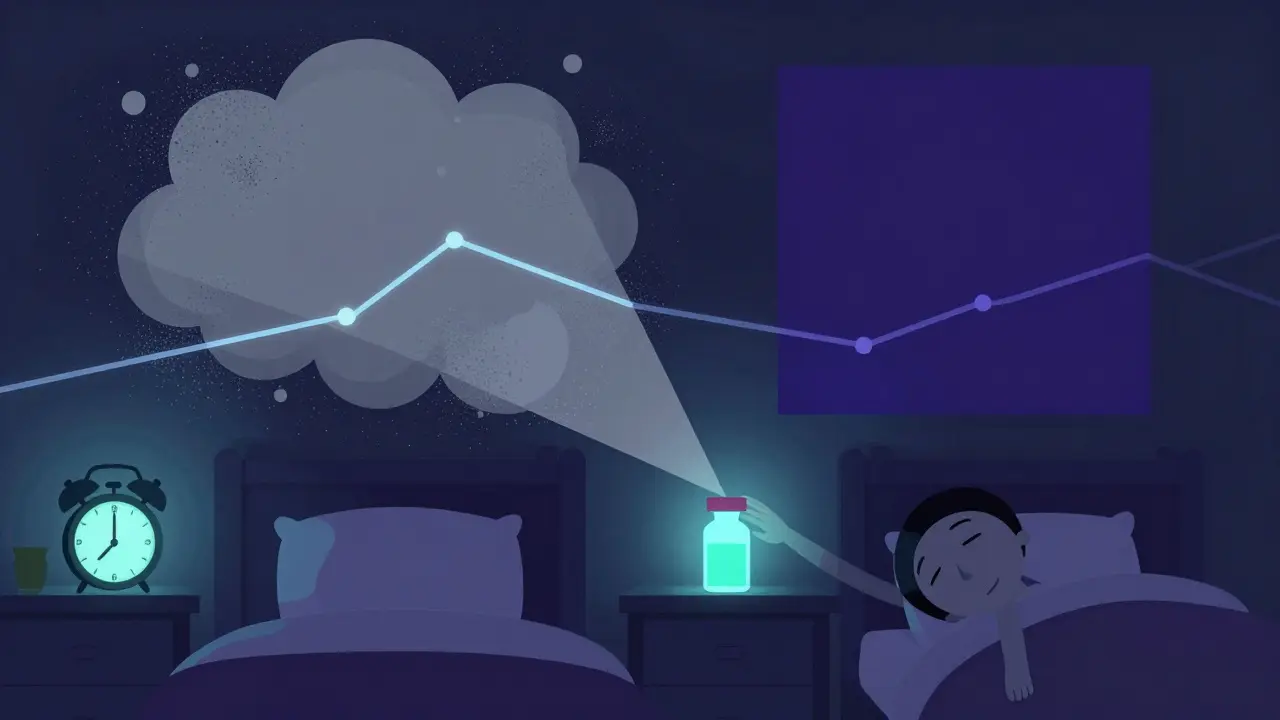
Starting therapy usually begins with a split-dose regimen. Patients take half the dose at bedtime and the second half roughly four hours later (around midnight). This timing is critical. Missing the midnight dose can lead to severe rebound symptoms the next day. Studies show 85% of users see significant improvement in cataplexy frequency, dropping from a median of seven episodes a week to barely one. Yet, adherence remains tricky.
Common hurdles include:
- Dosing Rigidity: You cannot take it all at once; it requires waking up in the middle of the night.
- Side Effects: Nausea and dizziness affect about one-third of patients initially.
- Cost: Before insurance, monthly costs can range from $10,000 to $15,000, requiring extensive prior authorizations.
- Driving Safety: Patients should generally refrain from driving until stability is achieved.
Despite these challenges, the trade-off is often worth it for quality of life. Reports indicate 74% of respondents returned to driving privileges safely once stabilized. Newer formulations like FT001, announced in 2024 trials, aim to eliminate the midnight wake-up by offering extended-release properties, promising to resolve the primary compliance barrier.
Differential Diagnosis and Future Therapies
It is crucial not to confuse Type 1 narcolepsy with Type 2 (without cataplexy) or idiopathic hypersomnia. Type 2 patients have sleepiness but lack the hypocretin deficit and cataplexy. Their treatment paths differ; they may not respond to sodium oxybate as robustly. As of 2026, the landscape is shifting toward replacing the missing chemical itself rather than just masking symptoms. Several companies are developing oral hypocretin receptor agonists, though development has faced setbacks like liver toxicity concerns in recent trials.
For now, the combination of a solid sleep study, recognition of emotional triggers, and careful management of sodium-based therapy offers the best path forward. If you suspect symptoms, keep a detailed sleep log noting mood and energy crashes before heading to a sleep specialist. That documentation alone can speed up the journey.
How long does it take to diagnose narcolepsy?
On average, patients experience a diagnostic delay of 6 to 10 years. Symptoms are often mistaken for depression, anxiety, or poor sleep hygiene before objective testing confirms the condition.
Is Sodium Oxybate safe for long-term use?
Yes, when monitored. Long-term studies show it is effective, but regular follow-ups are required to monitor blood pressure and sodium levels. It carries abuse potential, hence the strict REMS dispensing controls.
Can I drive while being treated with Sodium Oxybate?
Initially, no. Until your cataplexy is under control and daytime sleepiness is stable (typically weeks after starting maintenance dosing), you are legally restricted from operating vehicles in most jurisdictions.
Does Xywav work differently than Xyrem?
The mechanism is identical, but Xywav contains less sodium. Clinical data shows non-inferiority, meaning it works just as well for treating cataplexy and EDS with fewer electrolyte concerns.
Is there a cure for Narcolepsy Type 1?
Not currently. The lost hypocretin neurons do not regenerate. Treatments manage symptoms. Research into hypocretin replacement therapies is ongoing but not yet commercially available.

Goodwin Colangelo
April 2, 2026 AT 08:17The distinction between Type 1 and Type 2 narcolepsy is critical for proper management strategies. Hypocretin deficiency confirms the Type 1 diagnosis beyond reasonable doubt. Sleep logs documenting emotional triggers are invaluable for specialists reviewing your case. Missing the second night dose can cause severe rebound symptoms quickly. Adherence to the four-hour split schedule is mandatory for efficacy. Side effects usually subside after the initial titration phase begins. Newer trials look promising for eliminating that middle-of-the-night disruption.
Joey Petelle
April 3, 2026 AT 18:21Oh look, another miracle drug wrapped in red tape and bureaucracy.
Doctors love to play god with our nervous systems while ignoring the actual socioeconomic barriers.
Sodium oxybate works fine if you can afford to wake up at midnight without losing your job.
The whole REMS program screams control rather than patient care honestly.
We act like this breakthrough is the savior when half the population can't even access a sleep clinic.
It is rich how they focus on compliance charts instead of fixing the healthcare access gap.
Enjoy the new formulation while the rest of us drown in paperwork and copays.
angel sharma
April 4, 2026 AT 15:25It is truly inspiring to see that modern medicine is finally catching up with our biological realities.
When you realize that a lack of hypocretin is the core issue, everything clicks into place.
We cannot blame ourselves for falling asleep during meetings anymore.
This structural failure is exactly what makes sodium oxybate such a game changer for so many families.
The midnight dose routine sounds harsh but staying functional during the day outweighs that burden significantly.
Many people feel isolated when their legs give out while laughing at a joke.
Those moments define the struggle of living with a neurological disorder like this.
Access to sleep studies remains a major barrier in most communities today.
Delays of eight years mean missed promotions and unsafe driving risks every single day.
Finding a specialist who understands the difference between fatigue and cataplexy takes immense patience.
We must advocate for better funding in sleep centers across the globe.
Insurance companies fight these treatments harder than anyone else involved.
Yet seeing the drop in episodes gives us all a reason to keep pushing forward.
Future therapies aiming to replace chemicals directly offer a glimmer of real hope soon.
It is vital that we share these protocols openly to help others navigate the nightmare.
Every person deserves a diagnosis that validates their physical experience fully.
Stay strong regardless of how long the wait feels right now.
HARSH GUSANI
April 4, 2026 AT 23:03People think it is just tiredness but it is much worse 😞 You need to stop blaming yourself 👎 The government should fix the test centers 🔨💥 Why do they charge so much money 🤑😡 This drug helps but costs too much 💸 Don't let insurance stop you 💪 Take care of your health ❤️🩹
Aysha Hind
April 5, 2026 AT 12:15Sodium oxybate is chemically identical to GHB which raises obvious red flags for me.
Why does distribution require military-grade tracking systems for patients?
Big Pharma loves controlling the supply chain of controlled substances.
The sodium reduction in Xywav feels like a marketing ploy to extend patents.
They want you dependent on nightly doses forever.
I wonder why research into natural alternatives gets so little funding here.
Stick to the basics before taking anything regulated by the feds.
The Charlotte Moms Blog
April 5, 2026 AT 15:34If your kid starts sleeping more than usual then you should definitely get checked ASAP!!!
Safety first!! Driving rules exist for a reason!! Do not take chances with sodium levels!!!
The cost is high BUT the alternative is dangerous!!!
Rob Newton
April 6, 2026 AT 12:56Most people simply ignore the red flags until their lives fall apart completely.
Sakshi Mahant
April 8, 2026 AT 05:21Understanding the condition deeply helps reduce the stigma around involuntary sleepiness.
Families often fear the sudden drops because they look like fainting spells.
It is important to remember that medical progress depends on shared experiences like yours.
Different countries handle sleep clinics differently so access varies widely.
We should support better education for doctors in developing regions too.
Patience and documentation really speed up the diagnostic process significantly.
Keep sharing your journey to help others find their way through the maze.