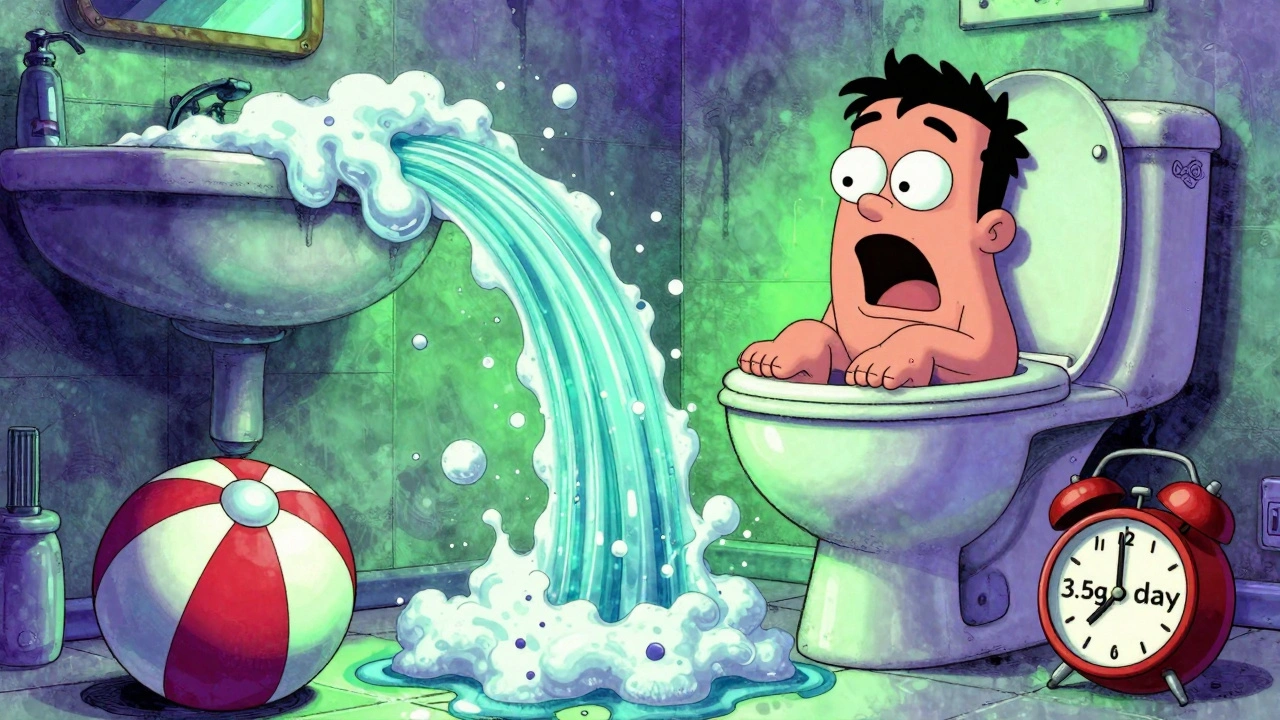
When your urine looks foamy and your ankles swell up for no reason, it’s easy to blame a long day or too much salt. But if the swelling won’t go away, your face looks puffy in the morning, and you’ve lost 10 pounds in muscle without trying, something deeper might be wrong. That’s when you start to suspect nephrotic syndrome-a kidney problem that doesn’t always show up on a regular blood test but can quietly wreck your health if left untreated.
What Exactly Is Nephrotic Syndrome?
Nephrotic syndrome isn’t a disease on its own. It’s a warning sign that your kidneys’ filtering system is leaking. Normally, your kidneys keep proteins like albumin inside your blood. But when the tiny filters (called glomeruli) get damaged, proteins spill into your urine. This is called heavy proteinuria-more than 3.5 grams of protein lost every day. That’s like dumping a tablespoon of protein powder into your toilet every 24 hours.
When your blood loses too much albumin, your body can’t hold onto water anymore. Fluid leaks into your tissues, causing swelling-or edema. You might notice it first around your eyes in the morning, then in your legs, belly, or even lungs. Your weight might jump 10 to 15 pounds overnight, not from fat, but from water.
On top of that, your liver goes into overdrive trying to replace the lost protein, and it ends up making too much cholesterol. Blood tests often show levels over 300 mg/dL-way above normal. This combo-protein loss, swelling, and high cholesterol-is the classic triad of nephrotic syndrome.
Why Does This Happen? The Real Causes
The root problem lies in the podocytes-special cells in your kidneys that act like a mesh filter. When they’re damaged, the holes get bigger, and proteins slip through. In kids, the most common cause is minimal change disease. It sounds harmless, but it’s responsible for 80% to 90% of childhood cases. The good news? It responds well to steroids.
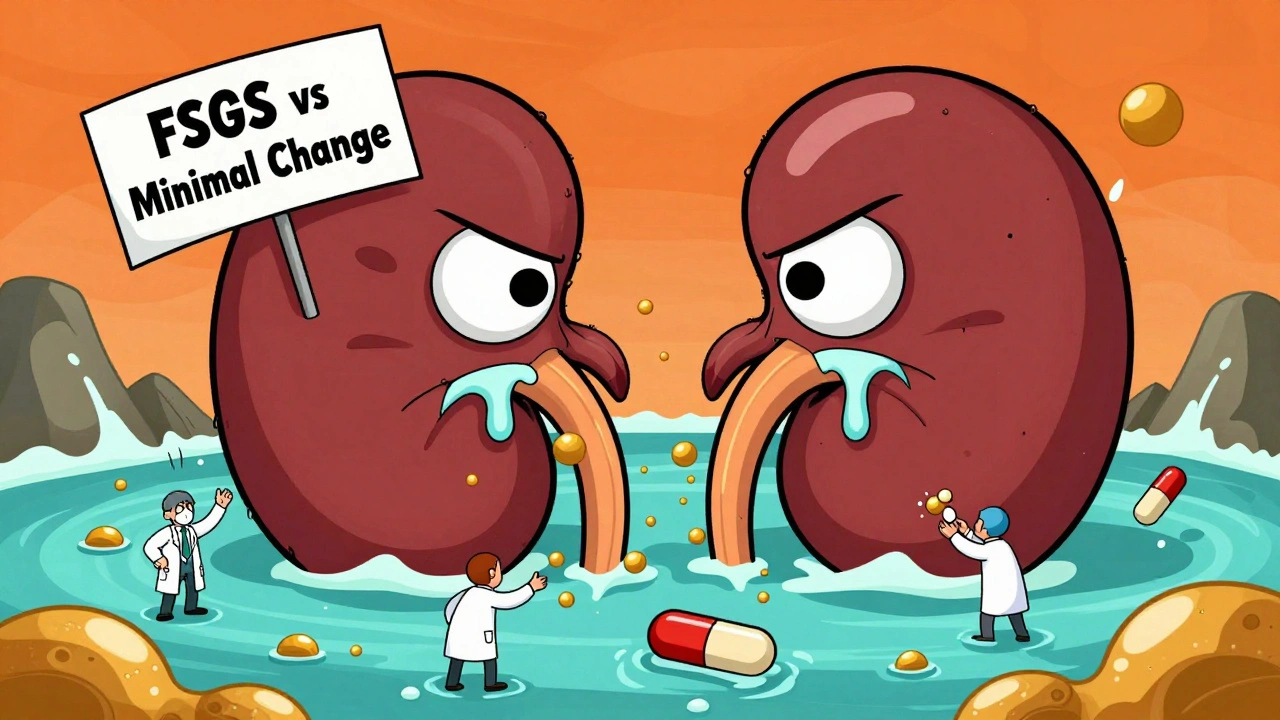
In adults, it’s more complicated. Focal segmental glomerulosclerosis (FSGS) shows up in about 40% of cases. Membranous nephropathy is another big one, especially in people over 50. Then there’s diabetes-responsible for 20% to 30% of adult cases. If you’ve had type 2 diabetes for years, your kidneys might be silently failing before you feel any symptoms.
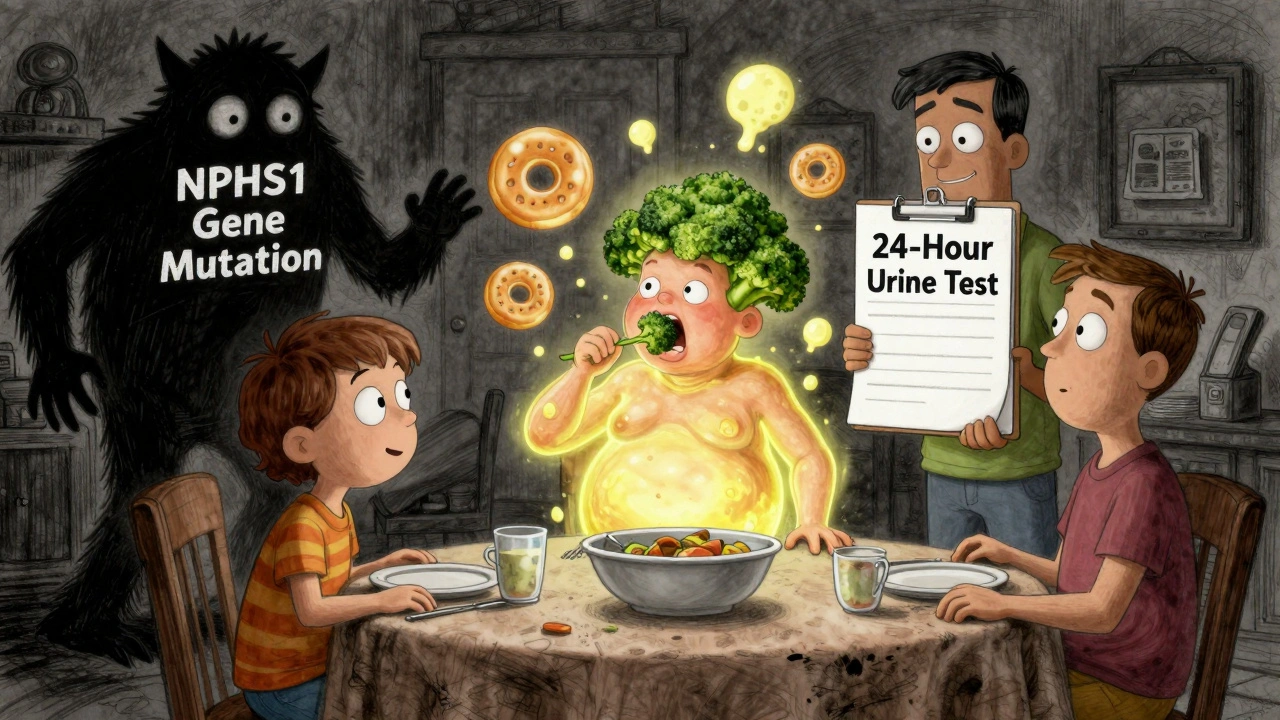
Other triggers include lupus, hepatitis B or C, and even some medications like NSAIDs or penicillamine. In rare cases, it’s genetic. Congenital nephrotic syndrome, caused by a mutation in the NPHS1 gene, hits babies within the first three months of life. These kids lose more than 10 grams of protein a day-enough to be life-threatening without aggressive treatment.
How Is It Diagnosed?
Doctors don’t guess. They measure. A 24-hour urine collection is the gold standard. If you’re spilling more than 3.5 grams of protein, that’s a red flag. Blood tests will show low albumin-under 3.0 g/dL-and high cholesterol. A urine dipstick test might show 3+ or 4+ protein, but that’s just a screen. The real diagnosis needs hard numbers.
For kids under 10 with no other health problems, a biopsy isn’t always needed. If steroids work, minimal change disease is the likely culprit. But for adults, or kids who don’t respond to treatment, a kidney biopsy is necessary. It tells you whether it’s FSGS, membranous nephropathy, or something else. That’s critical because treatment changes based on the cause.
And here’s something many don’t realize: nephrotic syndrome is not the same as nephritic syndrome. Nephritic syndrome means blood in the urine, high blood pressure, and reduced kidney function. Nephrotic is about protein, swelling, and low albumin. Mixing them up leads to wrong treatments.
First-Line Treatment: Steroids and What to Expect
If you’re a child with minimal change disease, your doctor will likely start you on prednisone. Doses are based on body surface area-about 60 mg per square meter per day for 4 to 6 weeks. Most kids respond within 2 weeks. Proteinuria drops, swelling goes down, and energy returns.
But it’s not a cure. About 60% to 70% of kids will have at least one relapse. Many relapse after a cold or flu. That’s why vaccines are so important. Live vaccines like MMR or chickenpox are off-limits while on steroids because your immune system is suppressed.
Adults aren’t as lucky. Only 60% to 70% respond to steroids, and relapse rates hit 50% to 60%. Side effects are real: moon face, weight gain from increased appetite, mood swings, trouble sleeping. One parent on a patient forum said their 6-year-old went from a quiet kid to a screaming toddler after just two weeks on prednisone. It’s hard, but it’s often the only way to stop the damage.
What If Steroids Don’t Work?
When steroids fail, you’re looking at steroid-resistant nephrotic syndrome. That’s when doctors turn to other drugs. Calcineurin inhibitors like tacrolimus or cyclosporine are common next steps. They suppress the immune system differently and can reduce proteinuria by 50% or more in FSGS patients.
Rituximab, a drug originally used for lymphoma, is now used off-label for frequent relapsers. It targets B-cells that seem to drive the kidney damage. One study showed 70% of children with frequent relapses went into long-term remission after rituximab. But it’s expensive-$1,200 to $2,500 a month-and not covered by all insurance.
New drugs are coming. Sparsentan, a dual blocker of angiotensin and endothelin receptors, cut proteinuria by nearly 48% in a 2022 trial compared to just 15% with standard blood pressure meds. Budesonide (Tarpeyo), approved in 2023 for IgA nephropathy, is also being tested in FSGS cases with promising early results.
Diet and Lifestyle: The Quiet Heroes
Medication helps, but what you eat matters just as much. Sodium is the enemy. Cutting salt to under 2,000 mg a day can reduce swelling by 30% to 50% in just 72 hours. That means no processed foods, canned soups, deli meats, or restaurant meals. Even bread can be a hidden salt bomb.
Protein intake needs balance. Too little won’t help your body repair itself. Too much can make your kidneys work harder. The sweet spot is 0.8 to 1.0 gram of protein per kilogram of body weight. So a 70 kg adult should aim for 56 to 70 grams a day-not a high-protein diet, not a starvation diet.
Fluid intake isn’t usually restricted unless swelling is extreme. But monitoring weight daily is critical. A 2-pound gain in 24 hours means fluid is building up. That’s your signal to call your doctor.
Big Risks No One Talks About
Most people worry about kidney failure. But the biggest danger right now is blood clots. With albumin below 2.0 g/dL, your blood thickens. The risk of a clot in your kidney vein jumps 2 to 4 times. That’s not rare-it happens in 10% to 40% of severe adult cases. Symptoms? Sudden flank pain, fever, or swelling in one leg. If you have nephrotic syndrome and feel this, get checked immediately.
Infection risk is also high. Low albumin means your immune system is weak. Pneumonia, urinary tract infections, even skin infections can turn dangerous fast. That’s why flu and pneumonia shots are non-negotiable.
Prognosis: What Happens Long-Term?
Your outlook depends on what’s causing it. Minimal change disease? 95% of patients keep their kidneys healthy 10 years later. FSGS? Only 50% to 70%. Diabetic nephrotic syndrome? That’s the worst-only 40% to 50% survival at 10 years.
But here’s the key: if you can get your proteinuria below 1 gram per day, your risk of kidney failure drops by more than 80%. That’s why treatment isn’t just about feeling better. It’s about preventing irreversible damage.
Genetic testing is now recommended for babies under 1 year with nephrotic syndrome. If it’s a gene mutation, steroids won’t help. Avoiding them means avoiding side effects and focusing on supportive care instead.
Monitoring: The Daily Check-In
Remission isn’t a one-time event. It’s tracked week by week. Urine dipsticks should be done daily during active disease. Three days in a row of trace or negative protein means remission. Three days of 2+ or 3+ means relapse.
Blood pressure must be kept under 130/80. ACE inhibitors or ARBs aren’t optional-they’re part of the treatment plan. They don’t just lower blood pressure; they directly reduce protein leakage.
Regular visits to a nephrologist are non-negotiable. Adults need 4 to 5 specialist visits a year. Kids with frequent relapses may need monthly check-ins. Insurance might push back, but skipping these increases your risk of permanent damage.
What’s Next? The Future of Treatment
Researchers are now dividing FSGS into three molecular subtypes based on the NEPTUNE study. One subtype responds to steroids. Another doesn’t. The third might need a completely different drug. This is the start of precision medicine for kidney disease.
Drugs targeting the podocyte’s actin cytoskeleton-like Rho kinase inhibitors-are showing 60% to 70% proteinuria reduction in animal models. Human trials are coming. If they work, we could be looking at treatments that don’t just suppress the immune system, but actually repair the filter.
For now, the goal is simple: catch it early, treat aggressively, and keep proteinuria low. Because nephrotic syndrome isn’t just about swelling or foamy urine. It’s about protecting your kidneys before they fail.
Can nephrotic syndrome be cured?
In children with minimal change disease, yes-most go into long-term remission with steroids and never have issues again. But for adults with FSGS or diabetic kidney disease, it’s usually a chronic condition. The goal isn’t always a cure, but controlling protein loss to protect kidney function for decades.
Is nephrotic syndrome hereditary?
Most cases aren’t inherited. But about 1% are, especially in babies under 3 months with massive proteinuria. Mutations in genes like NPHS1 or NPHS2 cause congenital nephrotic syndrome. Genetic testing is now standard for infants with early-onset disease to avoid useless steroid treatment.
Why does my urine look foamy?
Foamy urine happens because of heavy proteinuria. When large amounts of protein enter the urine, it changes the surface tension, creating bubbles that don’t disappear quickly. It’s not the same as foamy urine from dehydration or fast urination. Persistent foam is a red flag.
Can I still exercise with nephrotic syndrome?
Yes-light to moderate exercise is encouraged. Walking, swimming, and yoga help with circulation and reduce swelling. Avoid heavy lifting or intense workouts if you’re on immunosuppressants or have high blood pressure. Always check with your nephrologist before starting a new routine.
Will I need dialysis?
Not if you catch it early and stick to treatment. Most people with minimal change disease never reach kidney failure. But if proteinuria stays above 1 gram/day for years, especially with FSGS or diabetes, the risk climbs. The key is keeping protein low and blood pressure controlled. Dialysis is a last resort, not an inevitability.
Are there natural remedies for nephrotic syndrome?
No. Supplements, herbs, or detox diets won’t fix the damaged kidney filters. Some, like fish oil, may help lower cholesterol slightly, but they don’t reduce proteinuria. Relying on unproven remedies can delay real treatment and lead to permanent damage. Always follow your doctor’s plan.
What to Do Next
If you’re experiencing persistent swelling, foamy urine, or unexplained weight gain, don’t wait. Ask your doctor for a 24-hour urine test and a basic blood panel. Early diagnosis saves kidneys. If you’re already diagnosed, track your weight daily, cut salt, take your meds, and keep your appointments. Nephrotic syndrome is manageable-but only if you treat it like the serious condition it is.



Sarah Clifford
December 10, 2025 AT 11:06Regan Mears
December 11, 2025 AT 01:18Rebecca Dong
December 11, 2025 AT 17:00Michelle Edwards
December 11, 2025 AT 23:11Nikki Smellie
December 12, 2025 AT 18:53Neelam Kumari
December 14, 2025 AT 10:14David Palmer
December 15, 2025 AT 20:01Frank Nouwens
December 17, 2025 AT 07:48Kaitlynn nail
December 18, 2025 AT 11:41Aileen Ferris
December 19, 2025 AT 07:40Ben Greening
December 19, 2025 AT 11:19Stephanie Maillet
December 20, 2025 AT 20:27