Running out of your blood pressure pills, insulin, or cholesterol medication isn’t just inconvenient-it can be dangerous. If you’ve ever scrambled to call your pharmacy or drive across town because your prescription ran out, you know how easy it is to miss a dose. That’s where automatic prescription refills come in. They’re not magic, but they’re one of the simplest, most effective ways to stay on track with your meds-especially if you take the same drugs every day for a chronic condition.
Automatic refill programs don’t just save time. They cut down on missed doses, reduce emergency trips to the ER, and even help pharmacies catch problems before they become serious. Studies show people using auto-refills refill their prescriptions 20-30% faster than those who do it manually. That buffer matters. If your doctor changes your dose or your insurance denies coverage, the pharmacy has time to fix it before you run out.
How Automatic Refills Actually Work
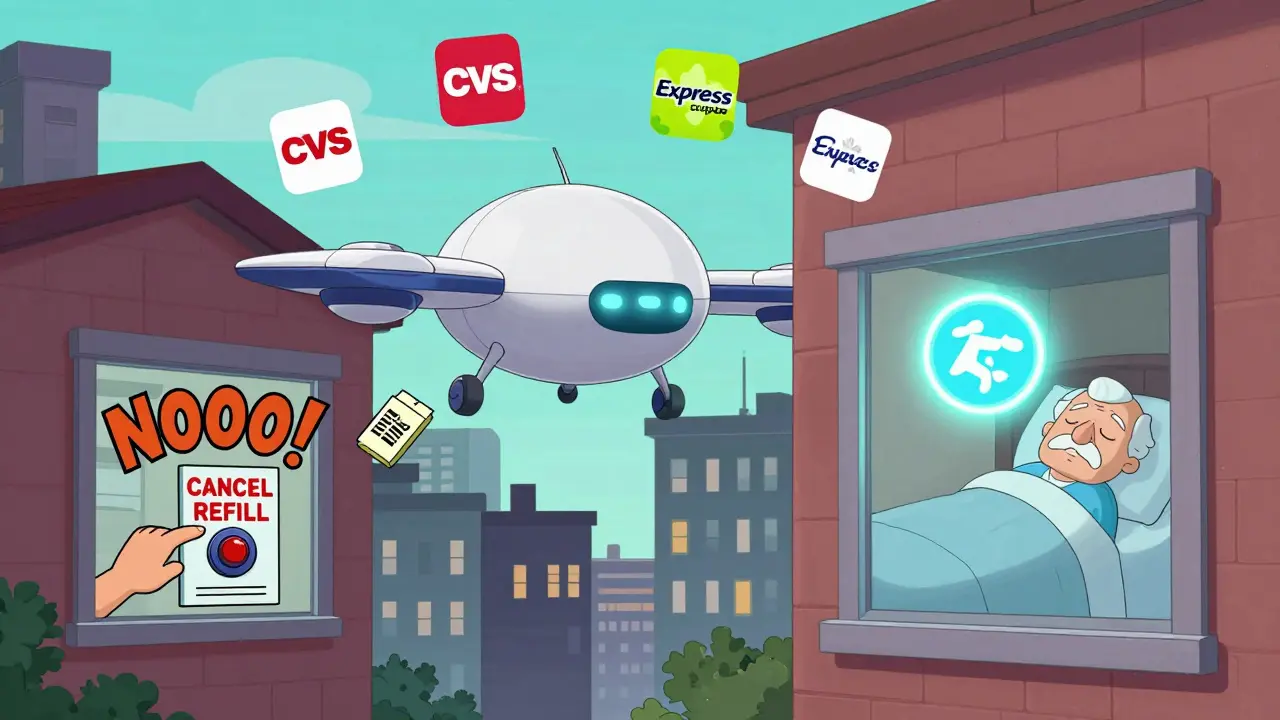
Automatic refills aren’t the same as having your pills shipped out without asking. Most systems wait until your current supply is almost gone-usually about 7 to 10 days before you’d run out. Then, the pharmacy processes the refill, checks with your doctor if needed, and ships it to you. You’ll get a text or email a few days before it’s sent, giving you a chance to say "no" if something’s changed.
Not every prescription qualifies. Controlled substances like opioids or strong painkillers almost never auto-refill. Same goes for meds that need prior authorization every time, or those with frequent dosage changes. If your doctor keeps adjusting your dose, auto-refill might not be right for you. But for stable conditions-diabetes, high blood pressure, thyroid issues, asthma-it’s a game-changer.
Step-by-Step: How to Set It Up
Setting up automatic refills takes less than 10 minutes. Here’s how:
- Create or log in to your pharmacy’s online account. If you’ve never used their website or app before, sign up. You’ll need your prescription number, insurance info, and a valid email or phone number.
- Find your prescription list. Once logged in, look for a section called "My Prescriptions," "My Rx," or "Refill History."
- Select the meds you want to auto-refill. Not all will show up as eligible. If a med doesn’t appear as an option, it’s likely because of restrictions (like controlled substances) or because your doctor needs to approve refills manually.
- Turn on auto-refill. Click "Enroll in Auto-Renewal," "Set Up Automatic Refills," or similar. You’ll usually get to pick your preferred delivery date or let the pharmacy choose based on your last refill.
- Confirm your shipping address and contact info. Make sure your address is correct. If you’re having it delivered to a different location (like a work address or family member’s house), update it now.
- Check your email or phone. Most pharmacies send two reminders before shipping-one by email, one by text. If you don’t get them, check your spam folder or update your contact settings.
Major chains like CVS, Walgreens, and Rite Aid all follow this same basic process. So do pharmacy benefit managers (PBMs) like Express Scripts, Optum Rx, and CenterWell Pharmacy. The interface might look different, but the steps are nearly identical.
What Happens If You Don’t Want the Refill?
Here’s the key: you’re not locked in. If you get a reminder and realize you’ve stopped taking the medication, changed doses, or switched to a new pharmacy, just reply to the text or click the link in the email to cancel. You can also log in anytime and turn off auto-refill for any prescription.
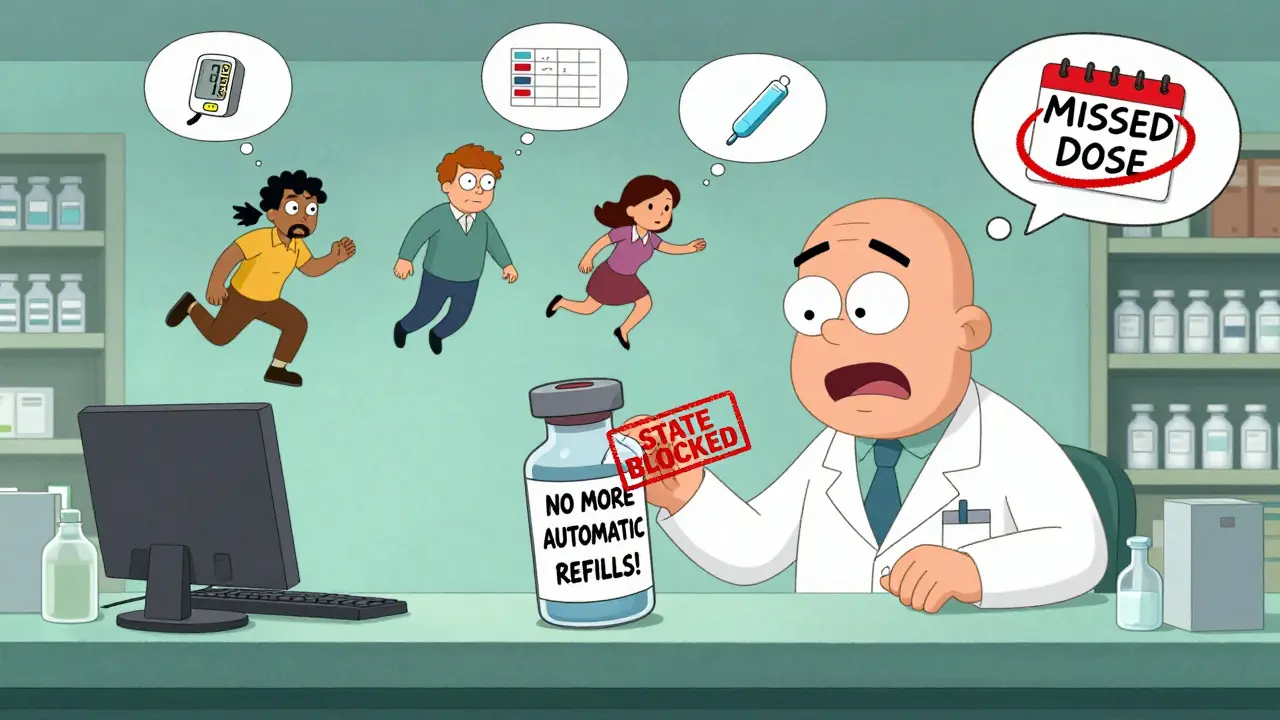
Some people worry about getting pills they don’t need. That’s a real concern. In Missouri and 26 other states, Medicaid programs banned auto-refills in 2023 because they found some patients ended up with unused meds-sometimes doubling up on drugs they were no longer taking. That’s why the reminder step matters. It’s not just a courtesy. It’s a safety net.
Where Auto-Refills Shine-and Where They Don’t
Auto-refills work best for:
- Chronic conditions with stable dosing (hypertension, diabetes, hypothyroidism)
- Medications taken daily with no frequent changes
- Patients who forget to call in refills or miss appointments
They’re not ideal for:
- Medications with changing doses (like warfarin or some psychiatric drugs)
- Controlled substances (oxycodone, Adderall, etc.)
- Patients who switch pharmacies often
- Those in states with Medicaid restrictions (like Missouri, Ohio, or Illinois)
If you’re on Medicaid and live in one of those 27 states, you might not even see the option. That’s because state rules require explicit consent before any refill is processed. You’ll have to call your pharmacy or doctor to set it up manually.
What to Do If It Doesn’t Work
Not every prescription shows up as eligible. Here’s what to try:
- Check your insurance. If your plan changed or your copay is out of date, the system might block auto-refill. Update your insurance info in your profile.
- Call your pharmacy. Sometimes the system just needs a manual nudge. Pharmacists can override eligibility flags if they know your situation.
- Ask your doctor. If your prescription needs prior authorization, your doctor might need to submit a new one before auto-refill can work.
- Try a different pharmacy. If your current pharmacy won’t let you enroll, switch to one that does. Many chains offer the same service, even if you’re not a regular customer.
Pro tip: If you’re switching pharmacies, ask them to transfer your prescriptions first. Auto-refill only works if the prescription is active at that pharmacy.
Real People, Real Results
A user on Reddit who’s been on auto-refill for two years says: "I’ve saved myself three trips to the pharmacy every year. No more last-minute dashes at 8 p.m. because I ran out."
Another, from Missouri, wasn’t so lucky: "After the April 2023 rule change, my insulin auto-refill got turned off. I almost ran out. Had to call three times just to get it reinstated manually."
Pharmacists notice the difference too. One told Pharmacy Times: "We used to get 15-20 rush requests a day. Now it’s maybe two. But we spend more time explaining why some people can’t use auto-refill."
The data backs this up. CVS Health reported a 23% drop in abandoned prescriptions among auto-refill users. That means fewer people stop taking their meds because they ran out. That’s not just convenience-it’s health.
What’s Next? The Future of Refills
By 2025, nearly 8 out of 10 maintenance prescriptions will use some kind of scheduled refill system. But not all will be fully automatic. More systems are adding options like "choose your refill date" or "confirm before shipping" to give users more control.
And as Medicare pushes pharmacies to improve adherence scores (part of their Star Ratings system), expect auto-refill to become even more common. But it won’t replace the human touch. Pharmacists still need to call if a refill request comes in for a drug you stopped taking six months ago.
The goal isn’t to automate everything. It’s to make sure you never have to choose between paying rent and refilling your pills. Auto-refill helps you stay healthy without adding stress.
Can I turn off automatic refills later?
Yes. You can turn off auto-refill for any prescription at any time through your pharmacy’s website or app. Just log in, go to your prescription list, and select "Manage Auto-Refills." You can also call your pharmacy directly to cancel. No penalty, no hassle.
Do automatic refills cost extra?
No. There’s no additional fee for using automatic refills. You pay the same copay or insurance rate as you would if you picked it up or ordered manually. Some pharmacies even offer free shipping as part of the service.
Why won’t my prescription show up as eligible for auto-refill?
Common reasons include: the drug is a controlled substance, it requires prior authorization each time, your insurance doesn’t cover refills for that med, or your doctor hasn’t renewed the prescription. If you’re unsure, call your pharmacy-they can check the system and explain why.
Are automatic refills available in all states?
Not everywhere. As of 2026, 27 U.S. states, including Missouri and Ohio, restrict auto-refills for Medicaid patients unless they give explicit consent. Private insurance and Medicare users usually have full access. Always check your state’s rules or ask your pharmacy if you’re unsure.
What if I move or change my address?
Update your address in your pharmacy account as soon as possible. If you don’t, your refill might ship to your old home. Most pharmacies allow you to change your shipping address online. If you’re moving soon, consider pausing auto-refill until you’re settled.
Can I use auto-refill if I’m on Medicare?
Yes. Medicare Part D beneficiaries are among the biggest users of auto-refill programs. In fact, over 65% of maintenance medications for Medicare users now use scheduled or automatic refill systems. Most PBMs and pharmacy chains fully support it.
Final Thought: It’s Not Just About Convenience
Automatic refills aren’t about making your life easier-though they do. They’re about keeping you alive. Missed doses of blood pressure or diabetes meds lead to hospitalizations. Auto-refill helps prevent that. It’s not perfect. Sometimes you get a shipment you didn’t expect. Sometimes the system glitches. But when it works, it’s one of the quietest, most reliable health tools you’ve got.