Don’t Just Take It-Ask About It
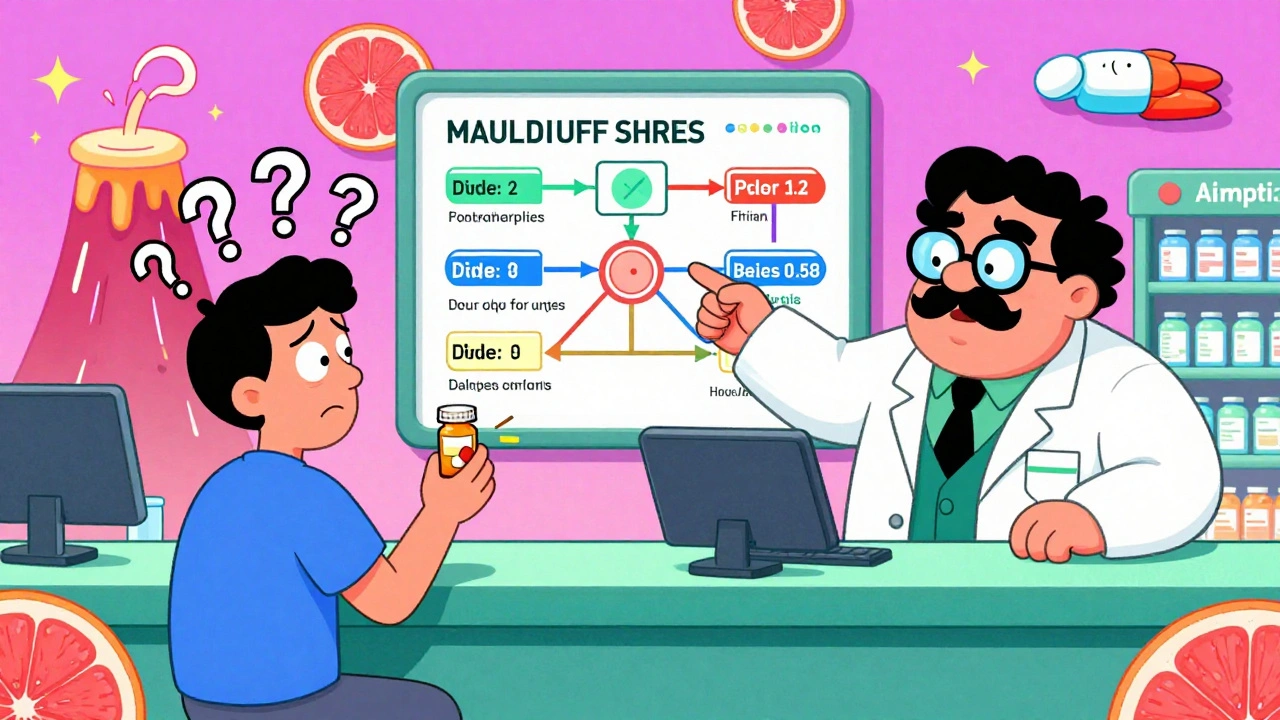
You pick up your prescription, scan the label, and head out. But do you really know what you’re taking? Many people assume the pharmacist just hands over the bottle and moves on. That’s not how it works. Pharmacists are trained medication experts-and they’re often more accessible than your doctor. In fact, 94% of Americans live within five miles of a community pharmacy. Yet, most people leave without asking a single question. And that’s risky.
Medication errors send over 1.3 million people to the emergency room every year in the U.S. A lot of those mistakes happen because patients don’t understand their meds. You don’t need to be a medical expert to ask the right things. You just need to know what to ask.
What Is This Medicine For?
Start with the basics. Don’t assume the label tells you everything. Ask: What is this medication for, and how will it help me?
One in three medication errors happens because people don’t know why they’re taking a drug. You might be on a pill for high blood pressure, but if you think it’s for headaches, you’ll stop taking it when your head stops hurting. That’s dangerous. Your pharmacist can explain the condition it treats, how it works in your body, and what results to expect. If you’re unsure, ask them to explain it like you’re a 12-year-old. If they can’t, that’s a red flag.
How and When Do I Take It?
Dosing isn’t just about pills per day. Timing matters. Ask: Should I take this with food or on an empty stomach? What time of day is best? Can I drink alcohol or drive while using this?
Some meds need to be taken with food to avoid stomach upset. Others work better on an empty stomach. Blood pressure pills are often taken in the morning to match your body’s natural rhythm. Sleeping pills? Take them right before bed-not 30 minutes before, when you’re still scrolling on your phone. And yes, some medications make you drowsy. Others make you sensitive to sunlight. If you’re gardening, hiking, or even just sitting outside, you need to know. Forty-five percent of patients misread dosing instructions. You don’t want to be one of them.
What Are the Side Effects?
Not all side effects are created equal. Ask: What are the most common side effects? Which ones mean I need to call a doctor right away? How can I manage the ones I can expect?
Feeling a little dizzy? That’s common with some blood pressure meds. But if you’re having trouble breathing, swelling in your throat, or a rash that spreads, that’s an emergency. Your pharmacist knows the difference. They’ve seen what happens when people ignore early warning signs. They can also suggest simple fixes-like taking a probiotic to ease stomach upset, or drinking more water to avoid constipation. And if you’re taking this med in summer, ask about sun sensitivity. Some antibiotics and acne treatments make your skin burn faster than you think.
Does This Interact With Anything Else I Take?
This is the one question most people forget. Ask: Does this interact with my other prescriptions, supplements, or even foods?
It’s not just about other pills. Grapefruit juice can make some cholesterol meds dangerously strong. St. John’s Wort, a popular herbal supplement for mood, can cancel out birth control or cause serotonin syndrome when mixed with antidepressants. Even over-the-counter painkillers like ibuprofen can raise your blood pressure or hurt your kidneys if you’re already on certain meds. The FDA says 15% of hospital admissions are caused by drug interactions that could’ve been avoided. Your pharmacist has access to your full medication list-if you give it to them. Bring everything: vitamins, herbal teas, CBD oil, even that fish oil you take for your joints.
What If I Miss a Dose?
Life happens. You oversleep. You forget. You’re on vacation. Ask: What should I do if I miss a dose? Can I double up next time? Is there a reminder system that works?
Some meds are okay to take late. Others can be dangerous if you double the dose. Antibiotics? Missing doses can make bacteria resistant. Blood thinners? Even one missed pill can raise your risk of clotting. Your pharmacist can recommend tools-phone alarms, pill organizers, or even apps that text you. And if cost is keeping you from taking it regularly, ask about cost-saving options. Many pharmacies offer $4 generics or discount programs. One study found that patients who asked about price were 50% more likely to stick with their treatment.
When Will I Know It’s Working?
Some meds work fast. Others take weeks. Ask: When should I start noticing a difference? Will I need blood tests or other checks? How will we know if this is helping?
Antidepressants? You won’t feel better in two days. It can take four to six weeks. Blood sugar meds? You might not feel anything, but your A1C will drop. If you don’t know what to look for, you’ll assume it’s not working and quit. Sixty-eight percent of patients can’t tell when their meds should start working. That’s why follow-up questions matter. Your pharmacist can tell you what signs to watch for-and when to call your doctor if nothing changes.
Are There Cheaper or Alternative Options?
Ask: Is there a generic version? Are there non-drug alternatives? Where can I find reliable info?
Generic drugs are just as effective as brand names. The FDA requires them to work the same way. Yet, brand-name drugs can cost 80% more. That’s not a marketing difference-it’s a price difference. Ask for the generic. If it’s not available, ask why. Also, ask if lifestyle changes could help. For mild high blood pressure, weight loss or reducing salt might be enough. For acid reflux, dietary changes can cut symptoms by half. Your pharmacist knows the science behind these options. And if you’re searching online, ask them to point you to trusted sources-like MedlinePlus or the FDA’s website. Not every blog or YouTube video is reliable.
How to Get the Most Out of Your Pharmacy Visit
Don’t wait until you’re at the counter to think of questions. Prepare ahead. Bring a list of everything you take: prescriptions, OTC meds, supplements, even herbal teas. Use the FDA’s free My Medicine Record form. It’s simple, and it covers 17 key details.
Go during pickup time. Pharmacists usually have 5 to 7 minutes free then. If you’re rushed, ask if you can schedule a quick 10-minute chat later. Most pharmacies offer this. If you’re in a rural area, telepharmacy services are growing fast-72% of rural hospitals now offer virtual consultations.
Use the teach-back method. After they explain something, say: “So if I understand right, I take this after breakfast, and if I feel dizzy, I should lie down and call you. Is that correct?” Studies show this boosts adherence by 40%. And if you only ask three questions, make them these: What’s my main problem? What do I need to do? Why is it important? That’s the core of the American Pharmacists Association’s “Ask Me 3” campaign-and it cuts medication errors by over 30%.
Why This Matters More Than You Think
Pharmacists prevent 1.5 medication errors per hospital admission. They’ve stopped people from taking two drugs that cause liver failure. They’ve caught duplicate prescriptions. They’ve flagged dangerous herb interactions that doctors missed.
One Reddit user asked about a blood pressure med and a herbal supplement called hawthorn berry. The pharmacist spotted the risk-high potassium levels could’ve led to cardiac arrest. Another case: a patient was taking two different acid reducers, one prescription and one OTC. The pharmacist caught it. Without that check, the patient could’ve developed kidney damage.
On the flip side, people who don’t ask end up in the ER. A 2022 case involved someone taking tramadol and St. John’s Wort together. No one warned them. They developed serotonin syndrome-a life-threatening condition. They survived. But they didn’t have to.
Pharmacists aren’t just dispensers. They’re safety nets. And you’re the only one who can activate them.
Frequently Asked Questions
Can I just call my pharmacist instead of going in?
Yes, most pharmacies offer phone consultations. If you’re busy, have mobility issues, or live in a rural area, calling is a great option. Many pharmacies now have dedicated medication therapy management lines. Just ask for the pharmacist on duty and explain you need help understanding your meds. Don’t assume they’ll call you back-be specific about what you need.
What if I’m embarrassed to ask questions?
There’s no such thing as a dumb question when it comes to your health. Pharmacists hear the same questions every day. They’ve helped people who didn’t know how to open a pill bottle or thought they could crush their pills. If you’re unsure, say: “I’m not sure I understand this fully. Can you walk me through it again?” That’s exactly what they’re there for.
Do pharmacists know about all my other meds?
They only know what you tell them. Even if you fill all your prescriptions at the same pharmacy, they won’t know about supplements, vitamins, or meds you get from another doctor unless you give them the full list. Always bring or send a complete list-every pill, powder, and drop you take. That includes CBD, melatonin, and that turmeric capsule you started last week.
Can pharmacists change my prescription?
No, they can’t change your dose or switch your drug without your doctor’s approval. But they can flag issues. If they see a problem-like a dangerous interaction or a duplicate drug-they’ll call your doctor. In 45 states, pharmacists can now prescribe certain medications like naloxone, birth control, or smoking cessation aids. So while they can’t rewrite your script, they can help you get safer, simpler options.
How often should I talk to my pharmacist?
Every time you get a new prescription. Also, if your meds change-dose, frequency, or brand-ask for a quick review. If you’re on five or more medications, ask about a Medication Therapy Management (MTM) session. These are free for Medicare Part D patients and take about 30 minutes. They’re a full review of everything you take. Even if you’re not on Medicare, many pharmacies offer them for a small fee. It’s worth it.
John Filby
December 6, 2025 AT 02:54Elizabeth Crutchfield
December 7, 2025 AT 04:48Ben Choy
December 7, 2025 AT 18:38Jenny Rogers
December 9, 2025 AT 16:08Chase Brittingham
December 11, 2025 AT 01:29jagdish kumar
December 11, 2025 AT 05:18Benjamin Sedler
December 12, 2025 AT 14:12zac grant
December 13, 2025 AT 01:44michael booth
December 13, 2025 AT 12:11Carolyn Ford
December 14, 2025 AT 14:50Alex Piddington
December 15, 2025 AT 19:04Dematteo Lasonya
December 17, 2025 AT 04:04George Graham
December 19, 2025 AT 00:16