Bioequivalence: What It Means for Generic Drugs and Your Health
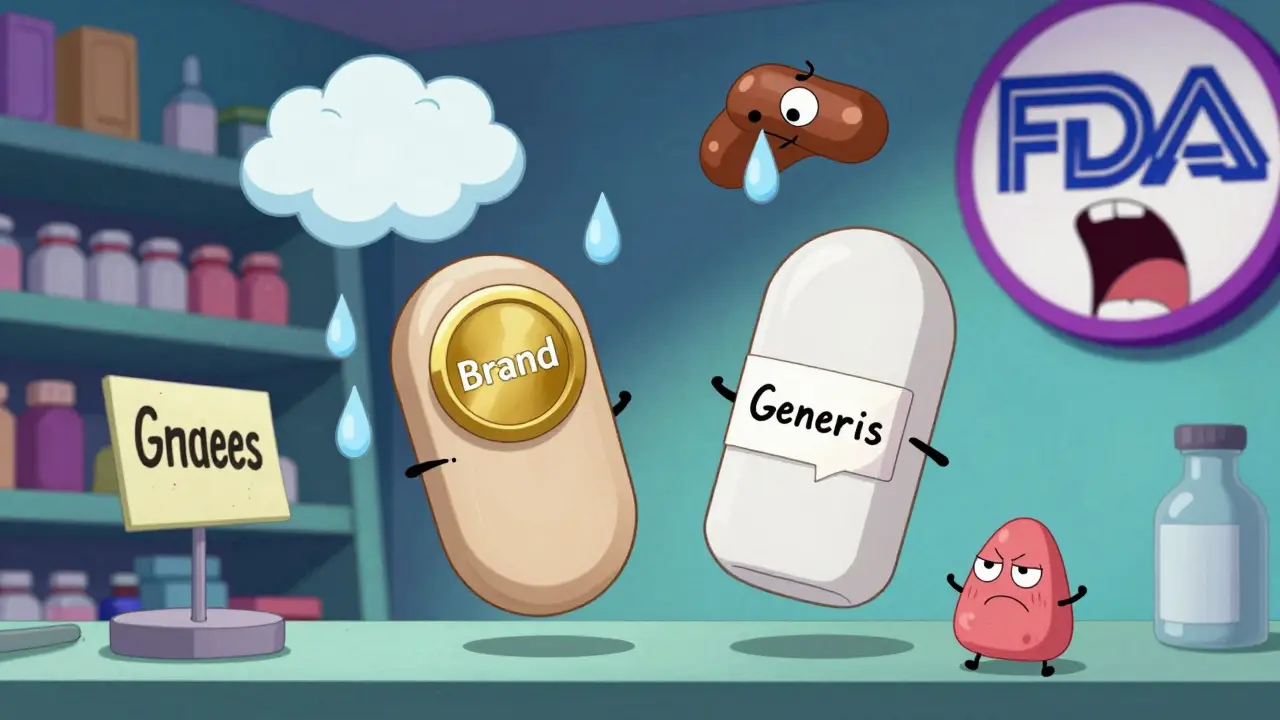
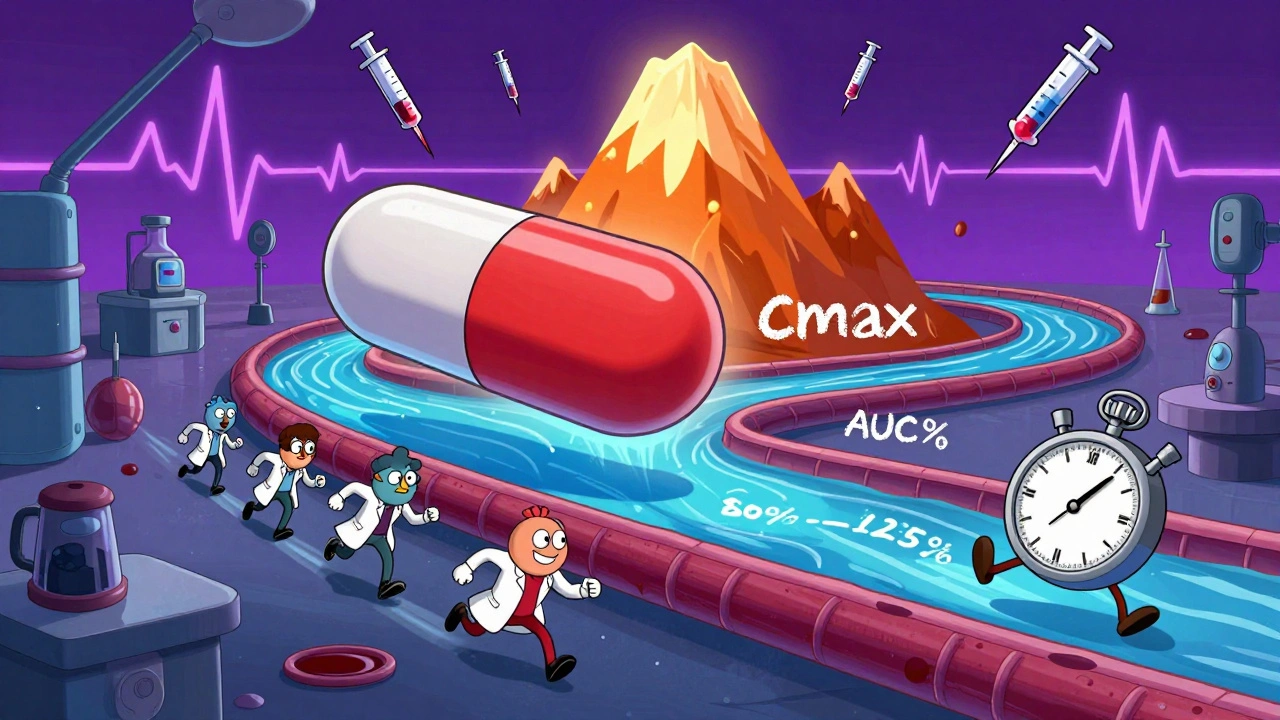
When you pick up a generic pill, you’re counting on it to do the same job as the brand-name version. That’s where bioequivalence, the scientific standard proving two drug formulations deliver the same amount of active ingredient at the same rate in the body. Also known as therapeutic equivalence, it’s the reason your pharmacist can legally swap your brand-name drug for a cheaper version. But here’s the catch: bioequivalence doesn’t mean identical. It means the difference in how your body absorbs the drug is small enough—usually within 80% to 125%—to be considered clinically safe. For most meds, that’s fine. For others? It’s a different story.
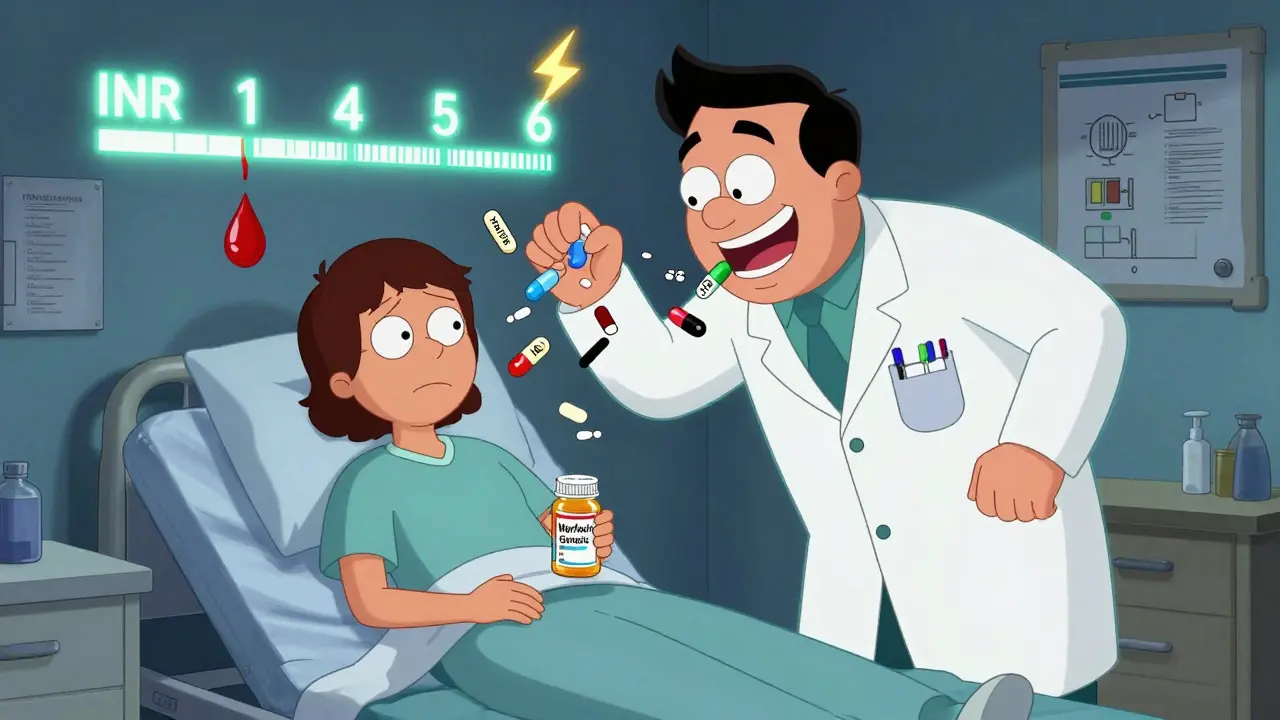
Think about narrow therapeutic index, drugs where even a tiny change in blood level can cause toxicity or treatment failure. These include warfarin, lithium, levothyroxine, and some anti-seizure drugs. For these, bioequivalence isn’t just a technical detail—it’s your safety net. A 10% drop in absorption might mean your blood clots too easily. A 10% spike could land you in the hospital. That’s why doctors and pharmacists often recommend sticking with the same generic brand—or even the original—when you’re on one of these.
And it’s not just about the active ingredient. The fillers, dyes, and coatings in generics can affect how fast the drug dissolves in your stomach. That’s why some people report side effects when switching generics, even if the label says they’re bioequivalent. One person might switch from one generic version of levothyroxine to another and suddenly feel tired, gain weight, or have heart palpitations. Their blood levels didn’t change much on paper—but their body noticed. That’s why therapeutic drug monitoring, measuring actual drug levels in your blood. Also known as TDM, it’s a tool used to catch these subtle shifts before they cause harm. It’s not routine for everyone, but if you’re on a high-risk drug and you feel off after a switch, ask your doctor if it’s time to check your levels.
Bioequivalence is the backbone of affordable medicine. Without it, generics wouldn’t be approved. But it’s not foolproof. The system works well for most people, most of the time. But if you’re on a critical medication, your experience matters more than the paperwork. That’s why so many posts here focus on what happens when things go sideways—when a generic substitution leads to unexpected side effects, when pharmacies are forced to switch brands due to pricing, or when patients don’t know to speak up. You’ll find real stories here about people who had to fight for the same pill, who learned to track their symptoms after a switch, and who discovered that bioequivalence on paper doesn’t always mean safety in real life.