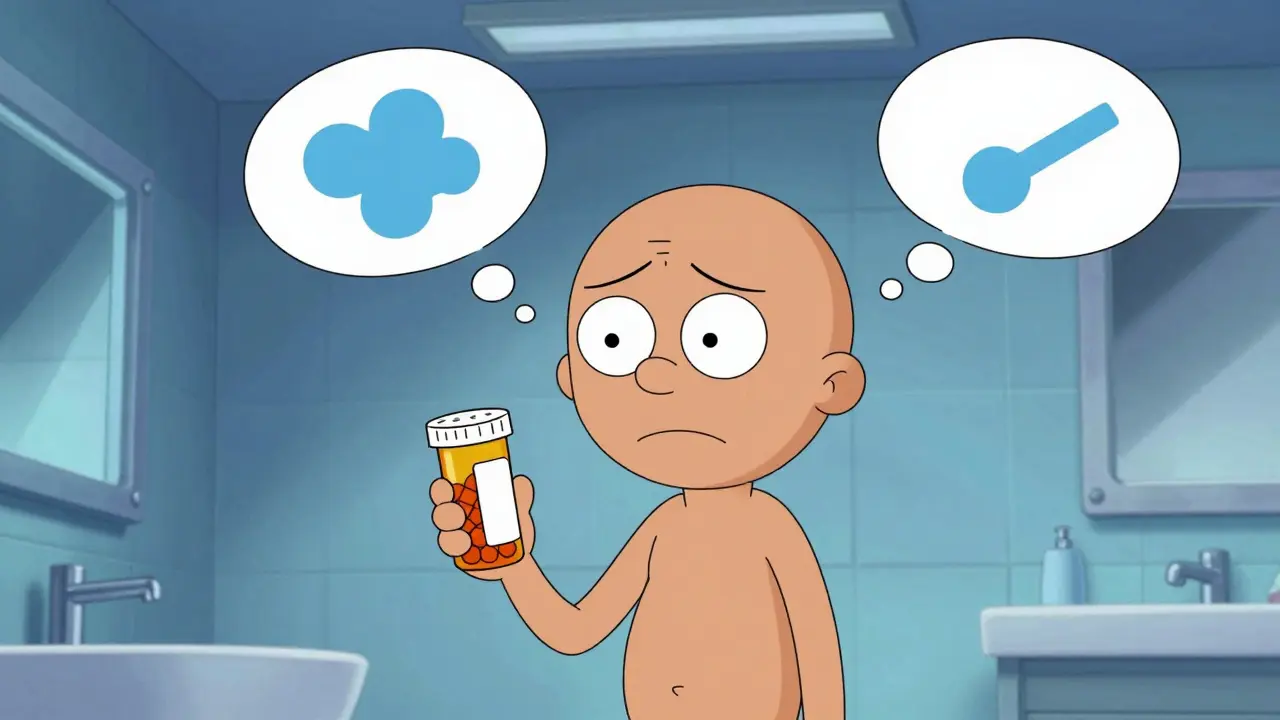
You are likely standing in front of a prescription bottle wondering if taking this small daily pill is actually enough to prevent pregnancy. Maybe you’ve heard conflicting stories from friends-some swear by the method, while others worry about weight gain, mood swings, or missing a dose during a busy week. The truth lies somewhere in that messy middle ground of statistics and real-life habits. Modern birth control is powerful medicine, but its reliability isn't magic; it depends heavily on how consistently you interact with your body and the medication.
Understanding exactly how Birth Control Pillshormonal medications taken daily to prevent pregnancy by regulating ovulation work is crucial because relying on a flawed assumption about their power can change your life unexpectedly. We aren’t talking about theoretical success rates here. We are looking at what happens when you miss a Tuesday night dose after being sick, or if you start a new antibiotic treatment. This guide cuts through the medical jargon to give you the concrete numbers, the risks you need to monitor, and the practical steps to ensure the medication protects you effectively.
The Two Main Types: COCs vs. Mini-Pills
Most people call them "the pill," but there are two distinct formulations doing different jobs inside your system. Knowing which one you have matters for timing and missed doses. The vast majority of prescriptions fall into the category of Combined Oral Contraceptives (COCs)pills containing both estrogen and progestin hormones. These contain synthetic versions of estrogen and progestin, typically ethinyl estradiol paired with something like levonorgestrel or drospirenone. They work primarily by stopping ovulation, preventing the egg from releasing in the first place.
Then there are the Progestin-Only Pills (POPs)also known as mini-pills, containing only progestin hormone, often called "mini-pills." These lack estrogen entirely, making them the go-to option for people who cannot tolerate estrogen due to high blood pressure, migraines with aura, or clotting risks. Common progestins here include norethindrone or the newer drospirenone found in Slynd®. The critical difference is the window of time. If you take a combined pill late, you usually have a grace period of up to 24 hours. With mini-pills, even a few hours late can leave you unprotected, requiring immediate backup contraception. This structural distinction is the first step toward understanding your risk profile.
Real-World Effectiveness: Perfect vs. Typical Use
The marketing brochures will tell you the pill is over 99% effective. That number refers to "perfect use," meaning you never miss a dose, never vomit shortly after swallowing it, and don't forget to start the next pack on time. In a laboratory setting, this holds true. However, the real world involves alarm clocks failing, vacations disrupting routines, and illnesses interfering with absorption. According to data from the Centers for Disease Control and Prevention (CDC)US government agency responsible for protecting public health, typical use drops that effectiveness to around 93%. This means roughly 7 out of every 100 users will experience an unintended pregnancy within a year solely due to human error.
A study published in the JAMA Network in 2021 highlighted a starker reality for younger users. Women under 21 using short-acting methods like pills faced a nearly two-fold higher risk of pregnancy compared to those aged 21 or older. This isn't because the chemistry changes with age; it's because adherence-the act of remembering to take the medication-is harder for some demographics. When comparing pills to Long-Acting Reversible Contraceptives (LARCs)contraceptive methods like IUDs and implants lasting years, such as the hormonal implant or copper IUD, the gap widens significantly. Implants hover near 99.9% effectiveness regardless of user behavior, while pills require daily vigilance. This doesn't mean the pill fails as a chemical agent, but rather that the delivery system relies on the most variable part of the equation: you.
| Method | Typical Use Failure Rate (%) | Perfect Use Failure Rate (%) | User Requirement |
|---|---|---|---|
| Birth Control Pill | 7% | 0.1% | Daily Action |
| Hormonal Implant | 0.1% | 0.1% | Surgery (Insertion) |
| Copper IUD | 0.8% | 0.6% | Surgery (Insertion) |
| Condoms | 13% | 2% | Each Act of Intercourse |
Side Effects: Benefits and Risks
When you ask about side effects, you’re asking about the trade-offs. Some people find the side effects so manageable-or even beneficial-that they become the primary reason for continuing the medication. Many users report clearer skin, lighter periods, and reduced pain associated with endometriosis. Specifically, Drospirenonea type of progestin used in certain birth control pills for acne treatment formulations are FDA-approved for treating moderate acne in women over 14. Beyond comfort, there are significant long-term health protections. Epidemiologic evidence shows a 50% reduction in endometrial cancer risk for former users, lasting up to 20 years after stopping. Ovarian cancer risk drops by 27%, and colon cancer risk decreases by 18%. The longer you use the pill, the greater this protective effect becomes.
However, you must also be aware of the risks. While modern formulations contain much lower doses of estrogen than early versions (less than 50 μg compared to historical 10,000 μg), the risk of cardiovascular events remains a consideration. The StatPearls (NCBI Bookshelf)authoritative biomedical knowledge base for clinical reference notes that ischemic stroke or myocardial infarction risk increases with higher estrogen doses. For most healthy non-smokers under 35, this risk is extremely low, but smoking while on high-dose estrogen pills multiplies the danger significantly. Blood clots (venous thromboembolism) are another concern; your doctor screens for this before prescribing. Other common complaints include nausea, breast tenderness, and breakthrough bleeding during the first three months as your uterus lining adjusts to the thinner shedding schedule.
Drug Interactions That Compromise Protection
One of the most confusing areas of birth control is which other medicines mess with it. You’ve probably heard the myth that all antibiotics cancel out the pill. That isn't accurate, but there are exceptions. The main culprit historically linked to reduced efficacy is Rifampin, used to treat tuberculosis. Most standard penicillins or amoxicillin do not affect the pill. However, the problem isn't always just the drug itself; it’s what the drug causes. If a medication makes you vomit or causes severe diarrhea, your body may not absorb the pill effectively. Vomiting within two hours of ingestion essentially nullifies that day's dose.
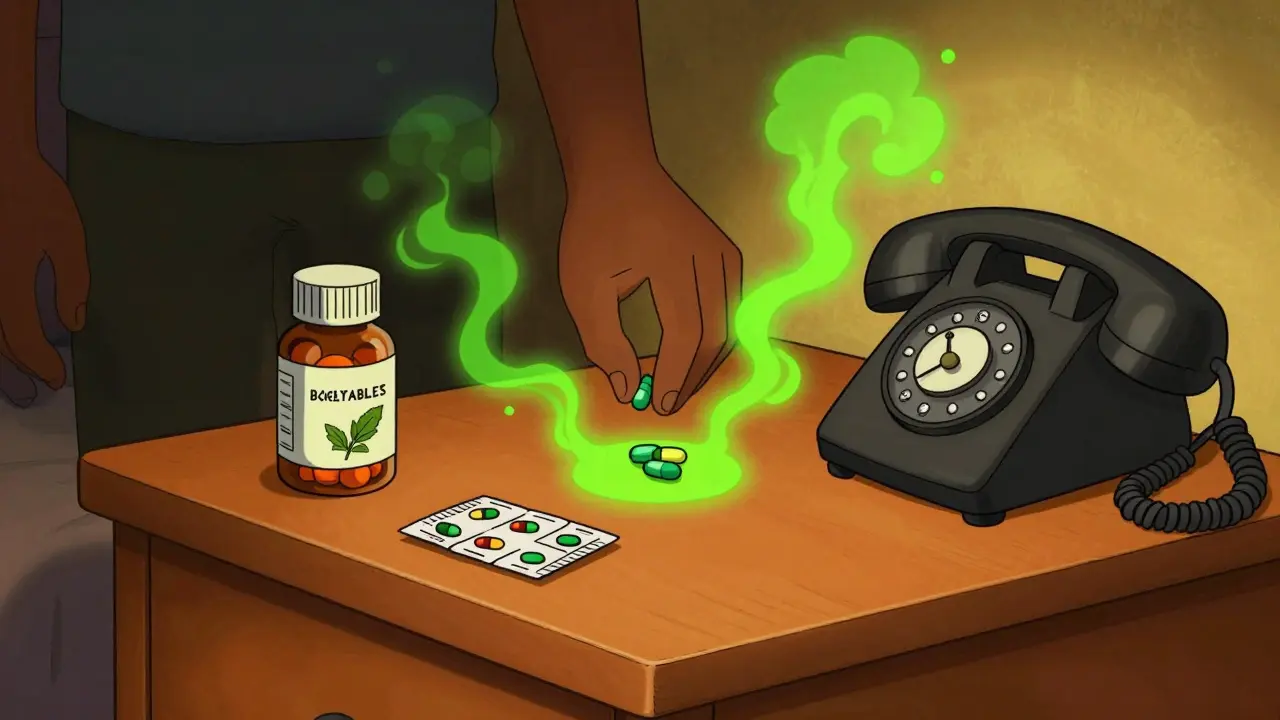
You need to look beyond prescription scripts to lifestyle interactions. Supplements play a huge role. St. John's Wort, a common herbal remedy for depression, acts as an enzyme inducer in the liver. It speeds up the metabolism of the hormones, clearing them out of your system faster than intended, which creates gaps in protection. Even certain HIV medications (like efavirenz) or anticonvulsants (such as carbamazepine) can lower hormone levels. This is why providing your healthcare provider with a complete list of everything you swallow is non-negotiable. Furthermore, remember that while pills protect against pregnancy, they offer zero defense against sexually transmitted infections. Using condoms alongside the pill is the only way to cover both bases effectively.
Practical Steps for Consistent Use
If you decide to stick with the pill, maximizing effectiveness requires turning the action into a habit. Link the pill to an existing routine. Brushing your teeth at night or breakfast are the most reliable anchors. Phone alarms help, but physical placement helps more-put the blister pack visible on your bathroom counter or bedside table. For combined pills, missing one is usually fine if you take it as soon as you remember, even if you take two that day. But with mini-pills, the rule is stricter; consistency is tighter. Understanding your specific prescription's forgiveness window is vital. Always consult the patient leaflet for the "missed pill" algorithm specific to your brand.
Be prepared for the first month. Irregular spotting is normal as your body calibrates to the new hormone balance. Do not stop the pill thinking you have failed; this bleeding is expected adaptation. Most women see their cycle regulate into a predictable pattern by the third box. Finally, plan for backups. Keep condoms accessible not just for STI prevention, but as insurance in the event of vomiting or illness. This layering of protection bridges the gap between typical use reality and biological need, ensuring peace of mind while the medication does its chemical work.
Frequently Asked Questions
Can I get pregnant if I take the pill perfectly?
Even with perfect use, no contraceptive method offers 100% immunity. However, perfect use of birth control pills results in less than 1 pregnancy per 100 women in the first year. Realistically, the failure rate is closer to 9 out of 100 annually due to minor errors in timing or absorption.
Does the pill cause weight gain?
Modern studies generally show no significant link between modern low-dose pills and permanent weight gain. Any initial weight fluctuation is usually water retention or bloating that settles after a few months. If you notice steady gain, consult your doctor to rule out other causes.
Will my periods be painful after stopping the pill?
Usually, fertility returns immediately-most women regain natural cycles within 90 days. Period cramps may return to their pre-pill baseline, which could be painful depending on your original condition, but the pill did not damage your long-term fertility.
What should I do if I miss a pill?
Take the missed pill as soon as you remember, then continue normally. If it has been more than 48 hours since the missed dose, you may need emergency contraception and should use barrier methods for seven days. Always check your specific package instructions.
Do antibiotics affect the pill's effectiveness?
Most common antibiotics do not reduce effectiveness. However, enzymes-inducing drugs like Rifampin definitely do. More importantly, if antibiotics cause vomiting or severe diarrhea, your pill absorption is compromised, requiring backup contraception.


Monique Ball
March 28, 2026 AT 19:21Tracking symptoms alongside the cycle creates a clearer picture of how the hormones interact with your specific system every single day! 😊 It is vital that everyone tracks their mood swings too! I noticed bloating happening specifically during the placebo week often! Many people ignore these subtle cues at their own peril! You really want to know what your body tells you before assuming the pill works! The statistics in the guide were surprisingly accurate compared to my personal logs! Missing a Tuesday night dose is something that happens frequently in busy lives! But having a backup plan saved me multiple times already! 💖 Condoms are excellent insurance even if you trust the chemistry completely! Protection requires layers just like safety gear in construction work! Never rely on hope alone when preventing unintended pregnancy! The risk is far too high for careless assumptions ever! Drug interactions are another factor that gets overlooked regularly! St Johns Wort affects the liver metabolism processes significantly! Reading the patient leaflet helps clarify these confusing interactions clearly! Always ask your pharmacist if supplements change hormone levels drastically! ✨ Stay informed and safe!
Poppy Jackson
March 29, 2026 AT 09:22I feel that passion deeply today
The fear of missing that daily marker is truly heavy
You are speaking truth about the emotional weight of routine
We stand together in this understanding of our bodies
Hope remains bright despite the statistical risks
Take care of yourselves always
gina macabuhay
March 30, 2026 AT 11:13It is genuinely disappointing to see individuals ignore the biological realities discussed here. People continue to believe myths perpetuated by social media influencers instead of reading the actual data. The statistics are clear regarding failure rates yet nobody cares to acknowledge the responsibility required. One cannot simply pop a pill and expect magic without discipline. Ignorance regarding drug interactions leads directly to preventable outcomes. St johns wort ruins efficacy but who reads the label properly. You are playing with your future health when you dismiss these warnings. Compliance is not optional if protection is desired. Stop expecting the medication to fix bad habits entirely.
Austin Oguche
March 30, 2026 AT 19:10The information provided covers essential aspects of pharmacological adherence well. Individuals often overlook the significance of consistent timing in hormonal regulation. International perspectives suggest varying access barriers remain significant issues globally. Education must precede prescription issuance for optimal public health outcomes. Understanding the distinction between perfect and typical use clarifies expectations effectively.
Sarah Klingenberg
April 1, 2026 AT 06:33That is such a thoughtful way to put it :)
Everyone deserves that kind of clarity regarding their choices
Sometimes the data feels overwhelming until you break it down nicely like this
We should support each other through the learning curve for sure
It helps to read about different experiences too
Monique Louise Hill
April 2, 2026 AT 20:32Honestly people need to stop making excuses for noncompliance behavior 😒
Your body is not a playground for testing limits with chemicals
Respect the science or face the consequences naturally
Taking shortcuts puts everyone at risk eventually
Eva Maes
April 3, 2026 AT 16:56This assertion demonstrates a profound misunderstanding of human fallibility regarding medication regimens.
While diligence is ideal systemic failures often exceed individual intent to perform correctly.
The cognitive load imposed on vulnerable demographics cannot be ignored by moralistic commentary.
One should analyze the structural barriers before assigning blame to individual actors.
It is reductive to assume negligence rather than logistical impossibility.
Philip Wynkoop
April 4, 2026 AT 21:43Glad we all agreed on the importance of sticking to the schedule :)